What’s your Plan?
It’s that time of year where we are making resolutions, trying new things, making vision boards, and getting ready for a new year. If you’re like me, we are already dreaming about next year’s growing season. While I am still enjoying a much needed rest from the garden, I can’t help but dream about the new formations of flowers that could bless our fields in the coming year. While it is fun to day dream, and wait for warm weather to arrive, there is also significant planning and preparation that needs to go into the new year, sometimes even well before the New Year begins. As a season gardener I am often planning the next year, while sowing my current year seeds. The next year is always on my mind. Not because I am not present in my current situation, but because I always want to be prepared for what I will need, where I will plant things, what I want to avoid, and what I want to try new. As I am harvesting I am always wondering if the flowers will be worth growing next year: will I leave some to flower and produce seed for me, or maybe they were just too much of a hassle to grow again. As I am maintaining my garden I will take note of pests and diseases that will determine crop rotation and companion planting for the preceding year too. I am always thinking about the next year, and the following years to follow. For example a perennial takes at least three years to mature, and with that I need to keep three years of protection, soil health, and forecasted pests while I wait. I also am always starting new gardens, and as no-till, we are starting those in the winter to plan and cultivate the soil to suppress weeds and compost dirt and debris for the best success in spring planting.
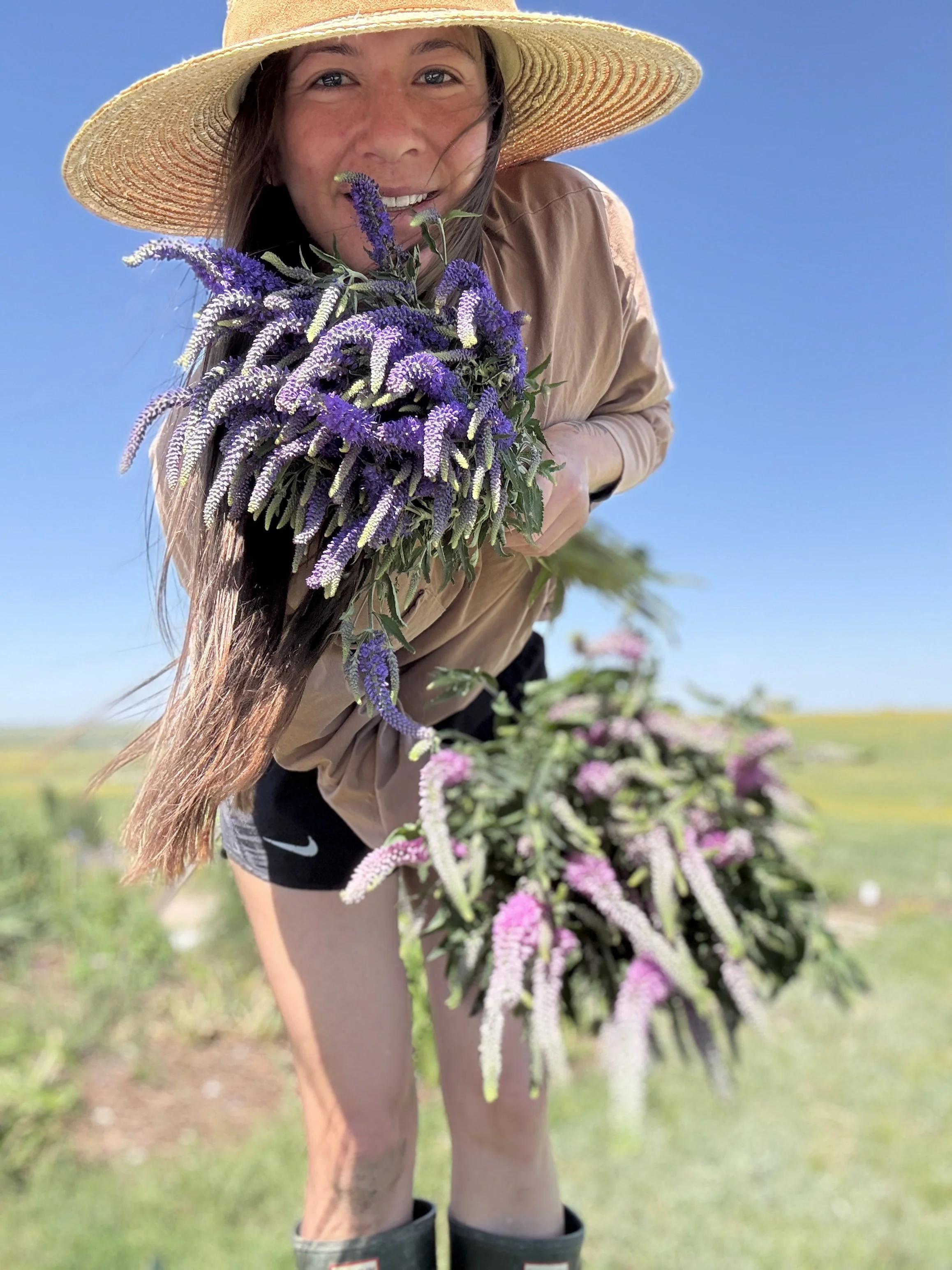
Planning isn’t just a suggestion in farming and gardening but an absolute necessity. Preparation, as with life, sets us up for peace, success, and the capacity to appreciate what God has in store for us in the fields, and in life.
Scripture reminds us again and again that fruit is never instant. It is the result of seeds ordered and sown faithfully, often long before the harvest is visible. In Galatians 6:9 we are encouraged, “Let us not become weary in doing good, for at the proper time we will reap a harvest if we do not give up.” Gardening makes this truth tangible: we prepare the soil, choose our seeds with intention, and plant them in hope, also knowing the work must come before the reward. Proverbs 21:5 tells us that “The plans of the diligent lead surely to abundance,” reminding us that faith is not passive waiting, but thoughtful preparation paired with patience. Even Jesus Himself spoke in parables of seeds, teaching that growth happens in God’s time, not ours: “First the blade, then the ear, then the full grain in the ear” (Mark 4:28). Planning ahead, then, is not a lack of faith; it is an expression of it. When we sow with prayer, plan with humility, and wait with trust, we position ourselves to recognize and steward the fruit God is already preparing; both in our gardens and in the lives He has entrusted to us.
This is also where discernment becomes essential, because there is a quiet but important difference between planning in faith and striving in fear. Planning is rooted in trust—it acknowledges that while we are responsible for tending what has been entrusted to us, the outcome ultimately belongs to God. Striving, on the other hand, is often driven by anxiety or the need to control results, and it leaves little room for rest or surrender. In the garden, this looks like rushing growth, overcrowding beds, or asking more of the soil than it was meant to give. Planning listens to the rhythm of the land; striving ignores it.
Discernment invites us to pause and examine our hearts. Are we preparing because we feel led, or because we are afraid of falling behind? Psalm 127:1 reminds us, “Unless the Lord builds the house, the builders labor in vain.” When our plans are submitted to God, they bring peace and clarity. When they are fueled by striving, they bring exhaustion and often disappointment. Faithful planning creates space for rest and trust. Allowing us to prepare diligently while still releasing the harvest into God’s hands, confident that He will bring growth in His perfect time.
How I do it:
Planning for me always starts in prayer. In fact they come hand in hand. I can’t truly plan for my future without speaking to the One who writes it, in the first place. Prayer allows my heart and mind to open to the questions that I have yet to know the answers to, it allows me to discern what is it that I am planning for vs. what I may also be “striving” too much for. Because there is a difference in asking for what God’s plan is vs, asking for God to conform to my plans. What is it that I need for next year, what do I need to ask from Him to accomplish it. This doesn't mean I can’t express my deepest dreams, and goals, and that I can’t be upfront with what I think is meant for me. It’s keeping his Glory and purpose at the forefront of any plans I intend to make. First, I pray for my garden and farm, I pray for every event on my farm and pray for every woman I will impact in the next year. I pray, of course, for good weather, pest prevention, and bountiful harvest because I am human and just “have to ask”. : ) Then I always pray that my heart stays on Him and His purpose for my farm and future.
Then, bringing in my notes from the current or past year, I am able to decide what seeds to order, where crops will be planted next, and what new gardens can get started. With this, I start my online carts for seeds and plugs. I also look at my note’s app, on my phone, and fond the list of needs/wants for next year’s purchase list. This year I desperately need more humidity domes, and I refuse to get by another year without about 30 more. Then, I grab my graph paper and draw out my farm the old fashion way. I draw the rows of crops and the flower beds and decide what is going to go where and what new beds will be started. Then I have a spreadsheet, where I enter in my sow date and can calculate my seedling transplant dates, then eventually my harvest date. This technology helps me dramatically improve my planning and forecasting especially for florists and events. I wouldn't have any of these notes, graphs, and charts if I wasn't constantly thinking about the next year and the years to follow. Through consistency, and tracking I am able to make valuable decisions for our farm’s next directions. Here’s how you can do it too:
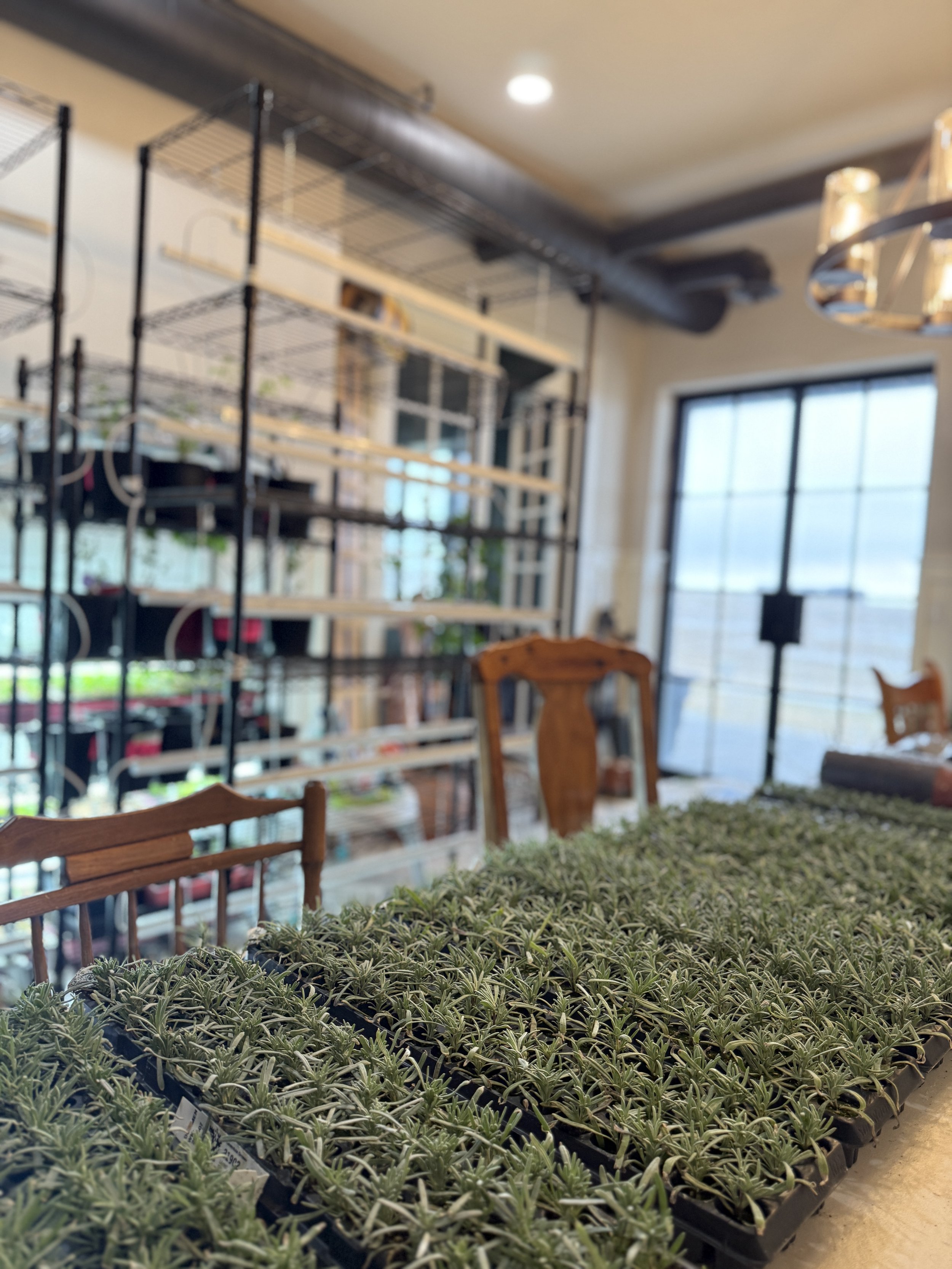
Planning and potting up new lavender babies months before they actually go in the ground.
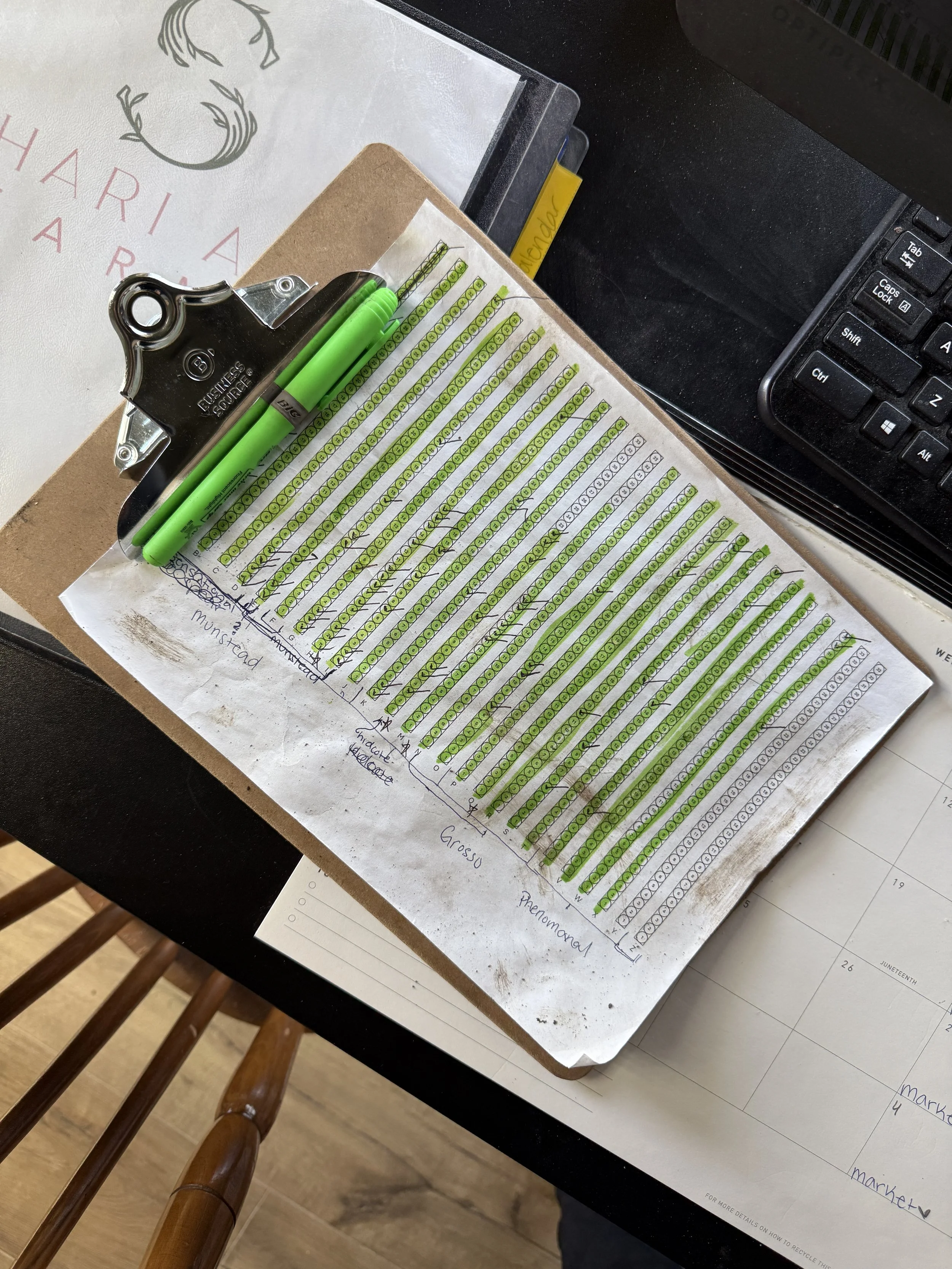
An example of our lavender field graphs; we use these to walk through and inspect each plant.
How to Keep Next Year’s Garden in Mind
Keep One Simple Garden Notebook
Choose one notebook or binder and let it be imperfect. Honestly, I just use my Notes App on my phone. Keep it somewhere easy to grab and jot down quick notes as they come to you. Dates, weather observations, what you planted, and quick thoughts like “grew too tall” or “loved this variety” are more than enough. Consistency matters more than detail.Write Notes in Real Time, Not at the End of the Season
The most valuable observations happen while you are actively gardening. Write notes as you plant, weed, harvest, or water. Again, doing this on your phone makes this so much easier.Ask One Simple Question During Every Garden Task
As you work, get into the habit of asking, “Would I do this again next year?”
While harvesting, note if a crop was worth the space. While managing pests, note what struggled. While watering, notice which plants thrived with less effort.Create a Running ‘Next Year’ List
Dedicate one page in your notes titled “For Next Year.” Add to it all season long. This can include varieties you want to repeat, things you want to skip, layout ideas, tools you wish you had, or timing adjustments you noticed.Take Photos and Label Them
Photos help tremendously. Take pictures of beds, plants, and harvests, and label them with the date and plant name in your phone or notebook. I do this a lot for the spring garden beds. By the time October bulbs need to go in, I don't remember where those random hyacinths are.Note Timing, Not Just Success
Pay attention to when things happen, not just how well they grow. Write down when seeds were started, when plants went into the ground, when they flowered, and when you harvested. Timing is one of the most important lessons a garden teaches, and it directly shapes next year’s success and event planning. This is where my spreadsheet becomes the most treasured asset I have.
Have a meeting with yourself at the end of every year, make it intentional and use it as a time to have gratitude and pride for the year’s past as you look forward to the year to come.
Remember, keeping next year’s garden in mind does not pull you out of the present moment. Instead, it helps you garden with wisdom, intention, and peace. Over time, you will find that planning ahead feels less like work and more like a natural extension of the gardener you are.
How about other areas of our life?
Even if you never touch a seed or step into a garden, this truth still applies to your life. We are all sowing something, whether we realize it or not, into our families, our work, our homes, our health, and our faith. The habits you practice today, the boundaries you set, the prayers you whisper, and the small, faithful choices you make are seeds placed into the soil of your future. Just like a garden, growth in life is rarely immediate, and the most meaningful fruit often comes from quiet, consistent preparation that no one else sees.
Planning ahead in life does not mean having everything figured out; it means living with intention and trust. It looks like choosing patience over urgency, faith over fear, and obedience over comparison. Remember my last posts? There are seasons when your work feels hidden and nothing appears to be changing, yet roots are forming beneath the surface. Whether you are preparing for a new season of motherhood, healing, ministry, business, or learning how to rest, God honors the unseen work done in faith. When you plant thoughtfully, plan prayerfully, and wait patiently, you make room to recognize the fruit when it comes and receive it with gratitude, knowing it was never rushed, forced, or carried alone.
Happy New Year
As we look ahead to a new year, planning our gardens and our lives, we are reminded that God is a God of order, purpose, and promise. He invites us to be faithful stewards of what He has placed in our care, not only for today but for the seasons yet to come. Scripture tells us in Proverbs 16:3, “Commit your work to the Lord, and your plans will be established.” When our preparation is rooted in prayer and trust, planning becomes an act of worship, a way of acknowledging that every seed, every season, and every harvest ultimately belongs to Him.
As you move forward into the coming year, may you plan with diligence, sow with intention, and wait with hope. Let your preparation be guided by faith rather than fear, and your expectations be shaped by trust rather than urgency. Just as the gardener plants in hope of a future harvest, may you step into the seasons ahead confident that the God who calls you to sow is also faithful to bring the increase.
Grow and Garden Friends,
Jessica w/ Sharis