Leave The Leaves
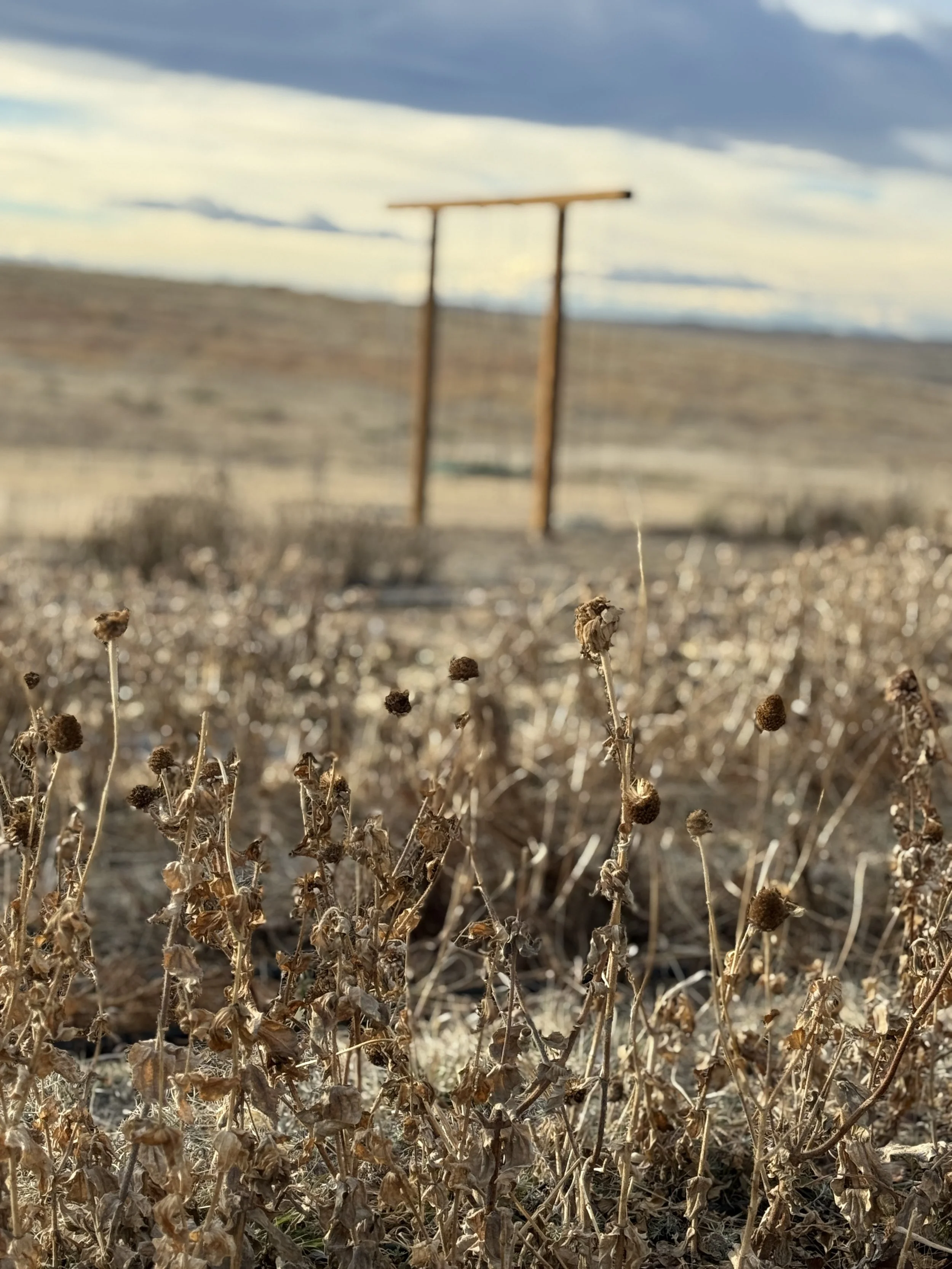
Leaving the stalks for habitat, seeds for birds, and leaves to mulch the soil.
Have you cleaned up your yard yet? It's mid December so you probably have, but I didn't. I have a bit more than a yard, but I didn't really clean up any of it. You read that right, I have over 3,000 sq feet of growing space in one area alone, and I didn't clean up a single bit of it. I know what you're thinking, “man this girl is lazy.” But what if I told you this was intentional. What if I said that the practice of making our beds for the winter was actually more harmful than helpful? That is what we are talking about today, and if you guessed we won't just be talking about our outside gardens, then you're right. Our struggle with perfectionism and polishiness is what I am learning about today.
Every fall, most of us go into cleanup mode like we’re preparing for a surprise home inspection or our in-laws are coming into town. We rake every leaf, trim every stem, bag up half the yard, and proudly line the curb with what looks like evidence of a crime against autumn. It’s the unspoken rule of seasonal responsibility: everything must be “tidied” before winter. But lately, there’s a growing movement in gardening that says… actually, don’t. Don’t rake the leaves, don’t haul away the seed heads, don’t cut everything down to stubs. “Leaving the Leaves,” is a slow, slightly chaotic approach that is better for the bugs, the birds, the soil, and the entire ecosystem. And it has me wondering, what if this messy-looking process is exactly how God designed things to work? And what if it speaks to the parts of our own lives we keep trying to polish, perfect, and sweep into bags at the curb?
So what does “Leave the Leaves” actually mean? In short, it means doing less than you think and feeling surprisingly good about it. It means not raking or bagging up every last leaf like you're trying to win Yard of the Year. It means resisting the urge to cut back every perennial or yank out every dead stalk that looks a little… scraggly. It means leaving the seed heads right where they are and letting the natural layer of leaf debris stay put through winter. And before you ask—no, this isn’t laziness. This is stewardship. This is participating in the ecosystem instead of micromanaging.
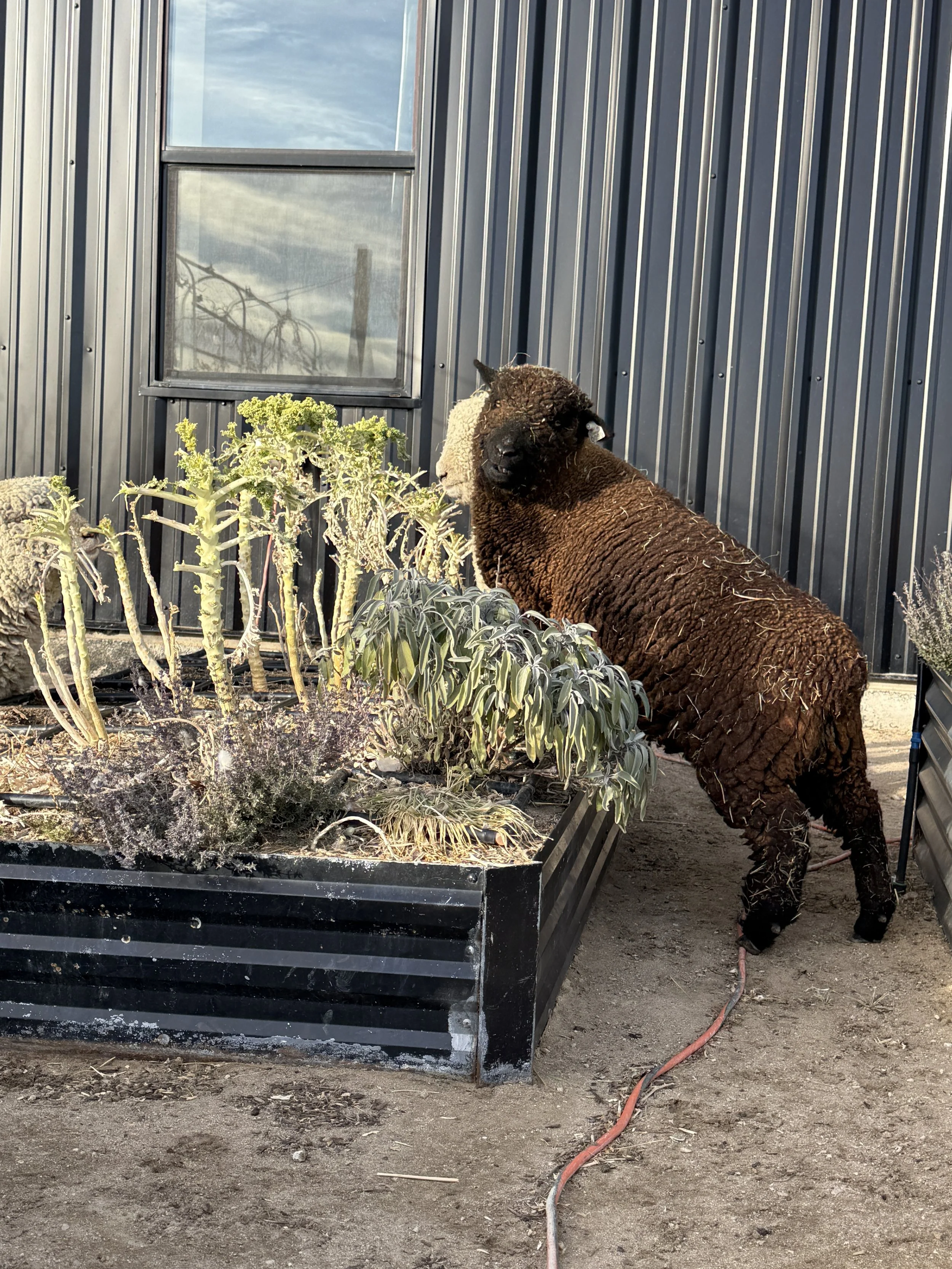
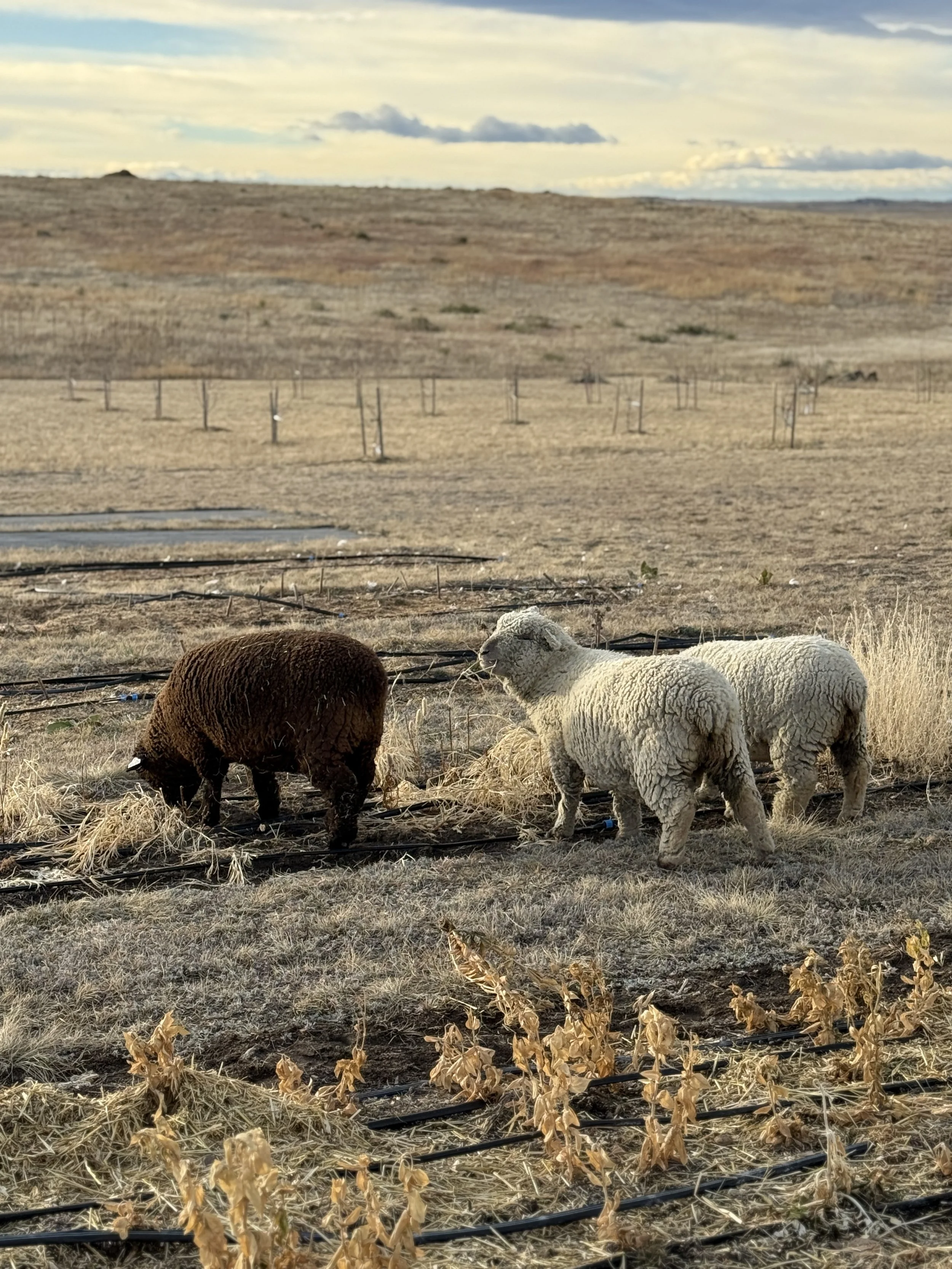
Allowing livestock to forage dead or dormant gardens helps enrich the soil with their waste and also adds a level of mental enrichment. It helps clean up the taller stems and increase rate of decay.
Because when we leave things alone, God’s design steps in and does what it’s always done. Those leaves become winter housing for butterflies, moths, bees, and all the little creatures we claim to love. The dead stems hold cocoons and eggs, the seed heads feed hungry birds when food is scarce, and the leaf litter slowly transforms into the richest kind of compost. This is God’s quiet, efficient system at work, the decay becoming nourishment, protection happening without fanfare, life being sheltered in the mess. A layer of leaves is more than natural mulch; it’s insulation, stability, and survival. Nothing about it is accidental, and nothing about it is just a “mess.” It’s creation taking care of itself the way God intended.
If you live in a neighborhood with an HOA I can understand how you might not have any choice but to rake those leaves. The littered lawn can actually cost you fines, and I am not trying to encourage neighborhood strife. However, you could possibly sneak away without trimming those perennials back till spring, leaving the branches and decaying annuals to be home and food in garden beds. However, don’t get me started on the detrimental environmental impact of those lawns. That is another blog post, for another day.
Let's talk about perfectionism
While nature thrives in a little mess, humans tend to panic at the sight of it. We’ve been conditioned to believe that tidy equals successful, presentable, and “doing life right.” If our gardens look messy, we fear our neighbors will judge us. If our homes look messy, we fear guests will judge us. And, in all honesty, we judge ourselves first. We want so badly to appear put-together that we sometimes strip away the very things that could nurture growth, connection, and honesty. Just like we rake away the leaves that protect and feed the garden, our habits of perfectionism can cause us to clear out the layers of vulnerability, rest, or truth that our hearts actually need and others could connect to. We become experts in looking polished, but often at the cost of being whole.
There’s something sacred about letting the mess stay for a season. Being a little “unraked” teaches us to soften, to slow down, and to accept the parts of life that aren’t blooming yet. It also gives others permission to express their vulnerabilities too. I am not saying to let the garden grow out of hand, but, for a season. let’s just be. Lets be ok with our mess, lets let it feed us for our next growing season. Let's foster others to come in and shelter for a while. As I said last week, God allows dormant seasons not because He’s forgotten us, but because new life is being prepared beneath the surface. And our own “dead stems”: the hard seasons, the imperfections, the old stories we’d rather hide often hold seeds for the very growth we’re praying for or become seeds of testimonies for others to plant their faith. When we stop trying to present a perfectly manicured version of ourselves, we create space for real connection. Just like wildlife thrives in the garden’s imperfect shelter, people thrive when they’re allowed to see our realness. Our honesty becomes a kind of habitat. Our stories become nourishment. And in letting ourselves be a little undone, we end up becoming far more alive.
Where is God in this?
When you start to look at nature through the lens of faith, it's hard not to see God's intention all over this. Nothing in His creation is ever wasted, not even old leaves that we desperately clean up. The breakdown is part of the blessing. Winter is never failure; it is preparation, transformation happening quietly in the cold. Ecclesiastes 3:11 reminds us, “He has made everything beautiful in its time.” Not “in its perfection” or “in its tidiness” but in its time. That includes the dormant seasons, the messy seasons, and even the decaying seasons where it looks like nothing is happening. God built renewal into the very aspect of creation, teaching us that what feels like loss or unraveling is often setting the stage for new life.
And yet, we humans still try to outdo nature by striving for perfection. But Scripture couldn’t be clearer: we were never created to be flawless. Only Jesus holds that job description. Ephesians 2:8–9 tells us, “It is by grace you have been saved… not by works, so that no one can boast.” Not by perfect gardens, perfect homes, or perfect behavior. The cross is the answer to all our exhausting attempts to perform and polish. God allows nature to rest, unravel, and be held by His design and He invites us to do the same. If He crafted ecosystems that shelter the tiniest insect under a layer of leaves, how much more does He care for us? When we leave the leaves, we get a living picture of His compassion, His creativity, and His intention: nothing is wasted, nothing is overlooked, and nothing is too messy for Him to work with.
How to Practically “Leave the Leaves” This Season
Leave the leaf litter where it falls
Especially under trees and shrubs—this is prime winter shelter for insects and small critters.Keep your seed heads intact
Leave coneflowers, sunflowers, rudbeckia, and ornamental grasses standing.
They may look crispy to you, but to the birds? They’re a winter buffet.Delay cutting back perennials
Wait until late spring, when daytime temps consistently hit 50°F.
This ensures butterflies, moths, and beneficial insects have already emerged from their winter homes.Create a “messy corner” if you love things tidy
Dedicate one area for leaves, branches, stems, and wildlife shelter.
It keeps things intentional while still supporting the ecosystem.Add simple structure to balance the wild
A path, a birdbath, a bench, or a few evergreen shrubs can make a winter garden feel purposeful—not forgotten.Remind yourself that less work = more life
Leaving the leaves isn’t neglect—it’s partnering with God’s design for renewal, rest, and protection.
When spring finally arrives and the days reliably warm into the 50s, that’s your cue to start clearing away the old leaves and stems. By then, everything that needed shelter has emerged, everything that has decayed has already fed the soil, and the garden is ready for a fresh start. And honestly, that’s not a bad rhythm for our own hearts, either. There comes a point when holding onto old hurts, habits, or thoughts stops protecting us and starts growing things we don’t want. Allowing the enemy to plant seeds of his own. When the season ends, giving yourself permission to gently “clean up” your inner mess isn’t failure it’s wisdom. It’s knowing when a season has done its work and making space for something healthier to grow.
So, what can we take away? Your garden doesn’t need to be fussed over every moment; sometimes the holiest thing you can do is step back and let it be. And maybe the same is true for your own life. There are places in all of us that don’t need to be fixed right now. Places that need a season of quiet, of waiting, of being held while God works beneath the surface.
What if the parts of you that feel unpolished or unfinished are exactly where He’s doing His most tender, unseen work? What if the mess isn’t a sign of failure but the beginning of the next season? Just like the winter garden, you don’t have to be perfectly cleaned up to be protected, to be provided for, or to be deeply loved. Sometimes the greatest act of faith is letting things rest and trusting that God is already at work in the layers we’re learning to leave alone.
I hope this resonates with you. If it does, share it with a friend.
For now: Grow and Garden, friends.
-Jessica
w/ Shari’s