Winter is The Best Time To Start A Garden!
It’s often believed that starting a garden is reserved for when the weather warms, spring arrives, and the sun begins to shine again. But that simply isn’t true. In many ways, the best time to start a garden is in the quiet of winter. There is something grounding about sitting by the fire, sketching out a new garden, or placing a few flags in the ground just to get a feel for the space you want to grow into. These small acts of intention have a way of chasing away the winter garden blues.
And while winter is absolutely a season of rest from the daily demands of gardening, that doesn’t mean our hearts stop longing for what’s next. Planning and plotting are only part of what can be done this time of year. Winter is also the perfect season to focus on the foundation of the garden, feeding the soil and suppressing weeds; work that is often harder to tend to once the growing season is in full swing.
I know what you're thinking, in my last posts I am pushing for rest in these winter months. I still stand by that. However, these quiet, tangible tasks don’t rush the season or steal from rest. Instead, they give us a gentle head start, allowing spring to be about seed starting and planting rather than scrambling to build infrastructure. And like in life, what we nourish beneath the surface now, in the quiet moments, will determine how prepared, and how peaceful we feel when it’s finally time to grow.
One of the greatest gifts winter gives the gardener is clarity. You are able to really get a metaphorical big picture or birds eye view of your farm, for planning your next plot. Also, with no plants demanding attention, no harvest deadlines, and no daily maintenance pulling at you, your focus naturally shifts to what truly supports the garden long-term: the foundation. This is the season when soil health and weed suppression take center stage, not as afterthoughts, but as priorities.
During the growing season, it’s easy to feel reactive. We pull weeds as they appear, amend soil only when plants show signs of stress, and build or adjust beds under pressure. Winter removes that urgency. Weeds are dormant, soil is resting, and the garden is quiet enough for intentional care.
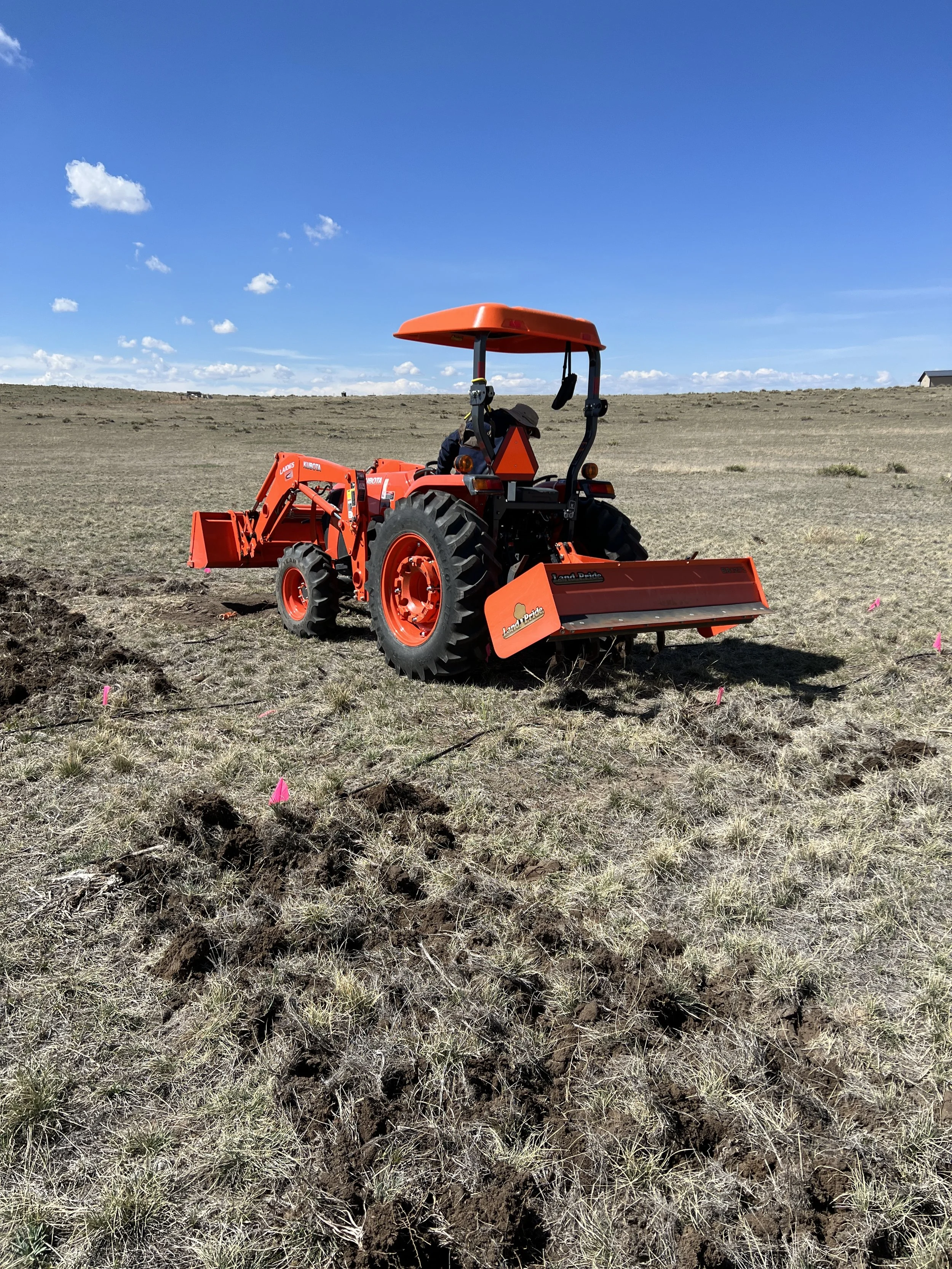
We sometimes broad fork the soil before laying anything down. This breaks up compaction and allows oxygen and moisture to seep deeper into the soil for better decomposition once buried with compost.
Starting gardens in the winter allows you to start amending your soil early. When you feed the soil in winter (adding compost, organic matter, or mulch) you’re not trying to fix problems mid-season. You’re preventing them. The same is true with weed suppression. A well-mulched bed in winter dramatically reduces the weed seed bank long before spring temperatures wake everything up.
Oh and by the way, this shift toward foundational work mirrors a deeper truth: it’s often in life’s quieter seasons that we are finally able to address root issues without distraction. Just as the garden benefits from attention when nothing is demanding growth, our hearts are often best tended when the noise settles and the pace slows.
Winter may look unproductive on the surface, but beneath it, the most important work is happening.
Starting a garden in winter is the way it lightens the load of spring. When beds are built ahead of time and soil has already been fed, spring becomes a season of planting rather than scrambling. Decisions feel clearer, tasks feel smaller, and the garden unfolds with far less pressure.
Winter preparation allows you to work slowly and intentionally. Tasks can be spaced out over weeks instead of compressed into a weekend. This gentle pace not only protects your energy, but it also creates room to enjoy the parts of gardening that often get overshadowed by urgency.
Winter is one of the most effective times to improve soil because the work is slow, forgiving, and deeply impactful. Instead of reacting to problems during the growing season, winter allows us to build fertility and suppress weeds before anything is planted. This is where the real work of the garden begins.
Whether your garden will be in raised beds or directly in the ground, the goal is the same: feed the soil generously and then allow it to rest.
How to start a garden NOW:
If You Are Using Raised Beds
Raised beds can be built during winter on a mild day or inside a garage. Once constructed and placed, they can be filled immediately. There is no need to wait for spring.
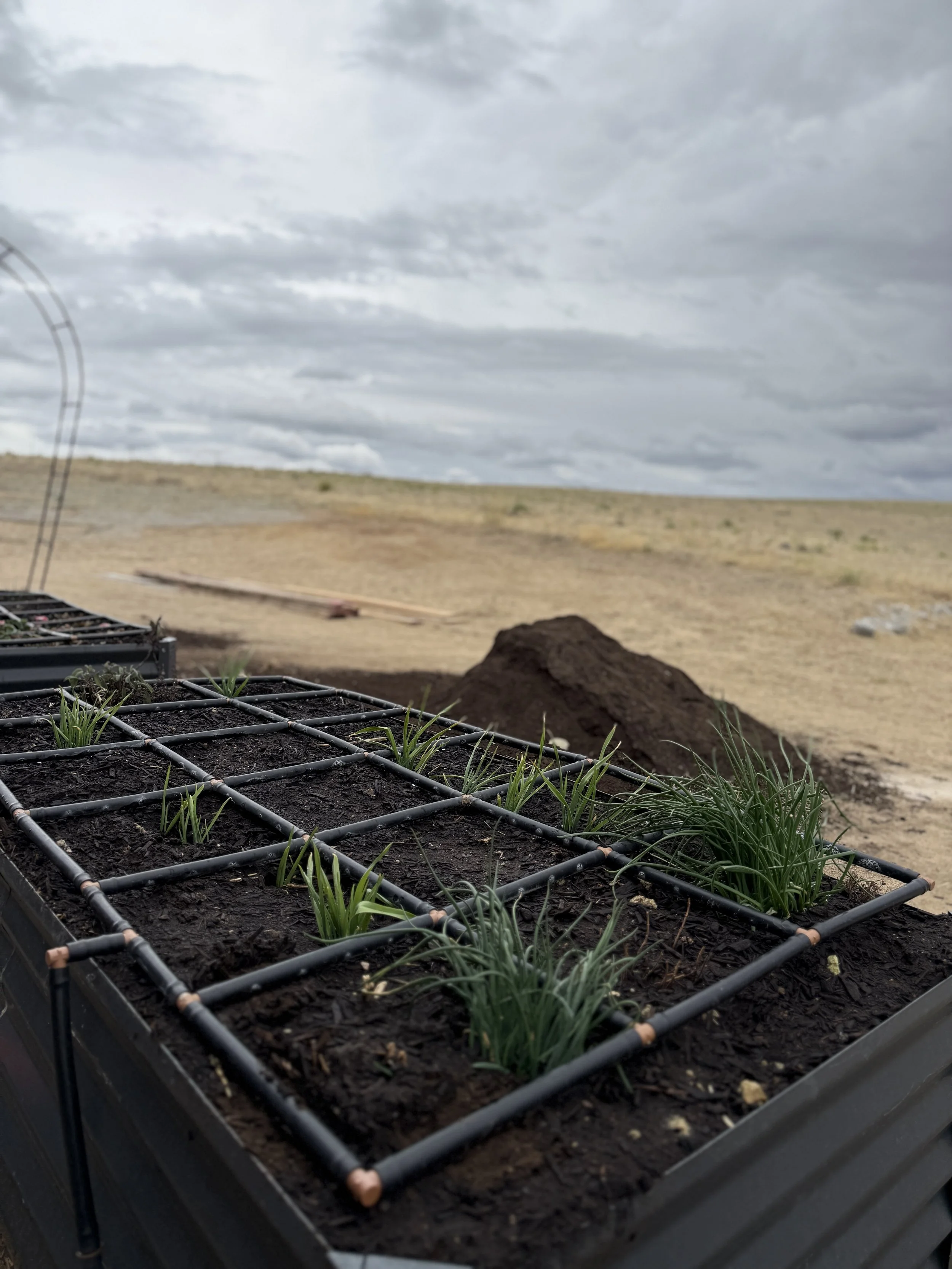
This is me topping off a raised bed in the late winter with compost. You can see I already have some overwintered herbs sprouting!
Start by filling the bottom portion of the bed with compostable debris. This can include old plant material, sunflower stalks, spent annuals, chicken or duck bedding, an old Christmas tree, wreaths or garland with all wires and plastic removed, and any other natural material available around your space. This creates bulk, encourages decomposition, and feeds soil life from below.
Next, add topsoil to fill the bed leaving two to three inches for compost on the surface. At this point, the bed can be left as is or topped with a layer of mulch. Straw works especially well, and straw sourced from my sheep shed or rabbit run adds additional fertility as it breaks down.
Once filled, the bed is complete for the season. Time and winter moisture will do the rest.
If You Are Planting In-Ground
In-ground gardens are often even simpler to prepare in winter and are my most common method.
Begin by laying cardboard directly over the area you plan to grow in. make sure tape and any plastic is removed. This acts as a weed barrier and begins the process of suppressing unwanted growth. There is no need to remove grass or existing vegetation beforehand. You may way to wet the cardboard to hold it down before moving to the next step.
On top of the cardboard, spread a layer of compost, covering the area thoroughly. I go as thick a layer I can afford. Sometimes it can only be 4” and sometimes I can do as much as 10”. Then finish with a generous layer of mulch, either wood chips (most often for my perennial gardens) or straw (for more production rows, rather than perennial gardens).
Over the winter months, the cardboard softens, the compost feeds the soil, and the mulch protects everything beneath it. By the time spring arrives, the ground is nourished, weeds are suppressed, and the garden is ready for planting with minimal effort.
A note on feeding the soil:
I like to think of soil health like a kitchen. We are building it and filling it with all the groceries so the soil can make it’s own food at home. Rather than getting takeout all the time in the form of synthetic fertilizers. Fertilizer application makes the soil dependent and depleted over time. It costs a bunch of extra money, just like takeout does. Lets get our gardens making michelin level cuisines right at their foundation.
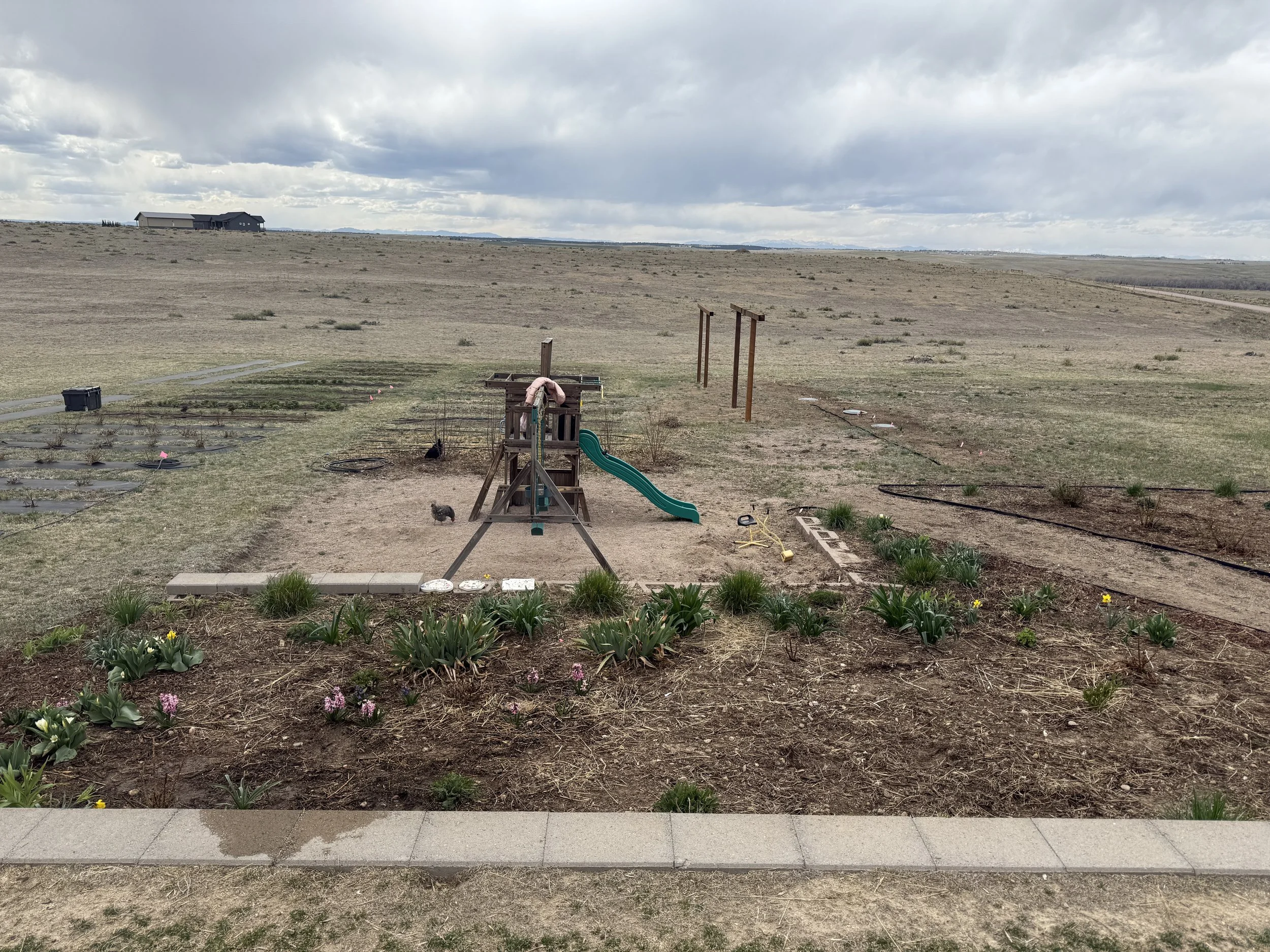
This perennial garden was the first BIG garden that I applied the above procedures to. It took a lot of cardboard, but I actually used carboard flooring underlayment, which a big tip for larger gardens.
*More on those “groceries” will come in future blogs, where I will break down exactly what’s in our ideal soils.
You know what’s coming next….
You know I have to always bring this back to God. It wouldn't be my weekly session if I didn't dive a little more soul deep and not just soil deep. ; ) See what I did there?
When we feed the soil in winter, we are not rewarded with immediate growth. There are no sprouts, no blooms, no proof that the effort mattered. And yet, everything that will grow later depends on what was given now.
Scripture speaks to this hidden preparation. In Hosea 10:12, we are told to break up fallow ground and seek the Lord, trusting that He will bring the rain in His time. Fallow ground is not dead ground. It is ground resting, waiting, untouched.
God often works the same way in our lives. With consistent digestion of His Word, even in the quiet seasons He feeds our hearts long before He asks us to produce fruit. He tends to the unseen places, strengthening roots, healing wounds, and preparing us for seasons we cannot yet see. Like winter soil, this work is quiet and easily overlooked, but it is essential.
Just as the garden benefits from nourishment before planting, our souls are sustained by what God gives us beneath the surface. When the time comes to grow, we are not overwhelmed or depleted. We are ready.
Winter may look empty, but it is never wasted.
Don’t forget! Starting a garden in winter is not about staying busy or pushing past the season God designed for rest. The work done now should feel slow, optional, and life-giving. Just as soil improves while resting, we also heal and renew when we allow ourselves to pause and take our time.
This season invites us to trust that growth does not come from striving, but from allowing God to work beneath the surface. Rest is not a delay to progress. It is part of how progress is made.
To wrap this up, winter is a season that can feel quiet, empty, or even unproductive. Yet, both in the garden and quiet seasons in our lives, it is one of the most important of all. By making gardens and feeding the soil now, we are setting the stage for a spring of abundance. Likewise, God often works quietly beneath the surface of our hearts, strengthening, healing, and preparing us for the growth He has planned in our next season.
Take heart in knowing that what looks dormant now is never wasted. The unseen work, whether in soil or in soul, matters. When spring comes and the garden begins to grow, we can rejoice in the harvest not because of hurried effort, but because of the care and attention given in its time of rest and reflection.
That's all for now.
Grow & Garden Friends,
Jessica
w/ Sharis!