Who Is Growing In Your Garden?
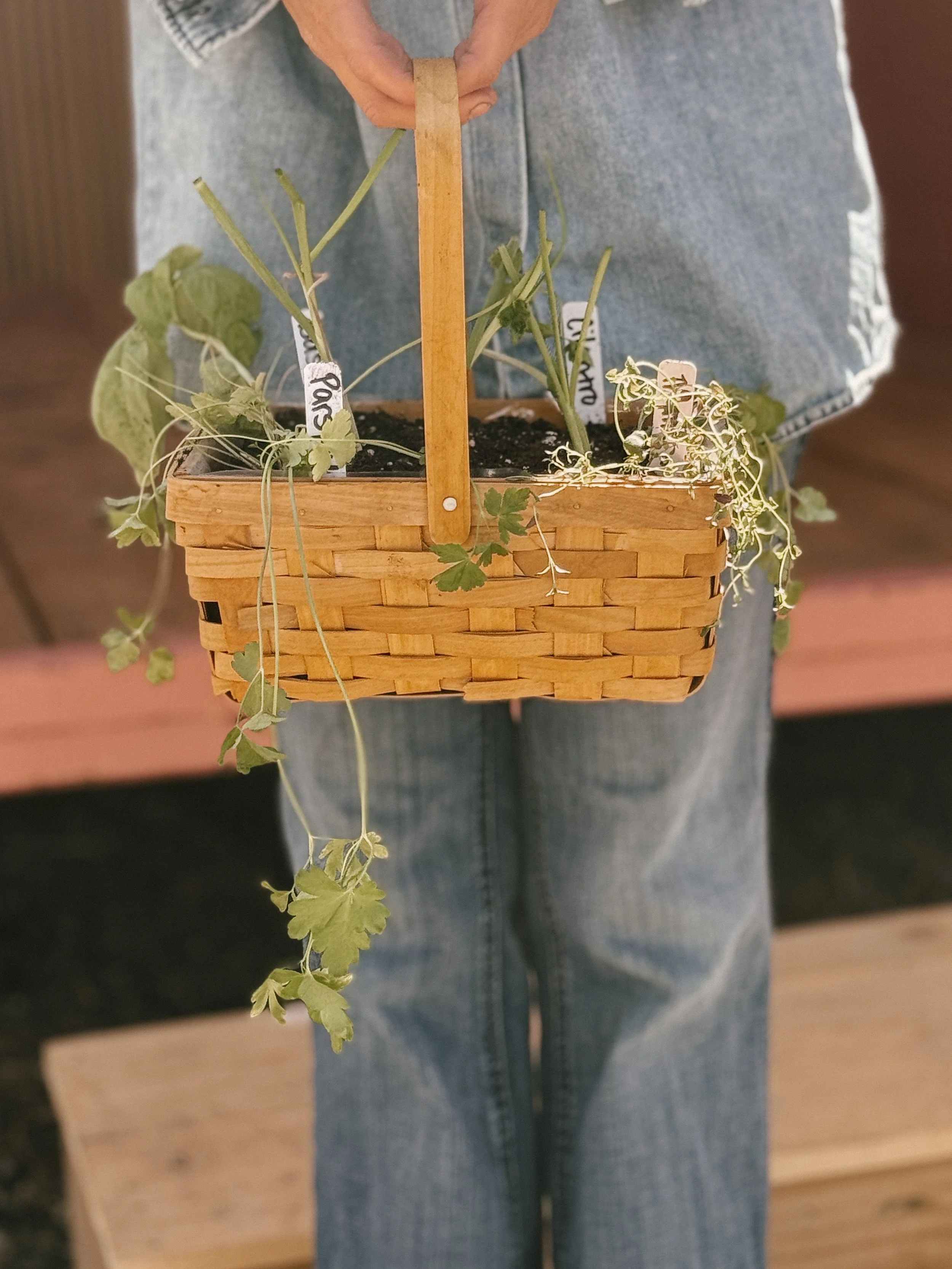
In the early mornings on the farm, before the wind picks up across the fields and before the heat settles over the rows, the garden feels almost conversational. The tall tomatoes stretch upward toward the rising sun while basil thrives quietly beneath them, protected by their shade and growing fuller because of it. Marigolds scatter bursts of orange and gold through the beds, pulling pollinators toward the garden while distracting pests from more vulnerable crops. Nasturtiums spill from the corners of the rows, sacrificial in a way, drawing aphids toward themselves so the rest of the garden can continue growing undisturbed. Nearby, the sharp earthy scent of sage mingles with thyme and chives, herbs that wake up long before many of the flowers on the farm and help protect the garden simply by existing within it.
None of this happens accidentally.
Every plant in a healthy garden affects the plants around it. Some relationships strengthen growth. Some protect. Some nourish depleted soil. Some attract life and abundance to the entire ecosystem. Others compete for light, crowd root systems, or quietly drain nutrients from the plants beside them.
Gardeners have understood this for generations through the practice of companion planting, the intentional placement of certain plants together for mutual benefit. It is a method rooted in observation, balance, and understanding that a garden is not simply a collection of individual plants. It is an ecosystem, where proximity matters.
Certain plants thrive beside one another. Others struggle in the same space. Some offer support while others unintentionally suppress growth around them. Even the healthiest plant can suffer when surrounded by the wrong environment.
And the older I get, the more I realize people are not entirely different.
The relationships surrounding us shape the way we grow. Some people bring peace, encouragement, wisdom, and nourishment into our lives. Others create competition, exhaustion, insecurity, or emotional depletion that quietly affects our ability to flourish. Some relationships shelter us during harsh seasons. Others block the very light we need to survive.
If we are thoughtful about what grows beside our tomatoes, why are we often careless about what grows beside our hearts?
This is the deeper beauty hidden within companion planting. Beyond being a practical gardening method, it also offers a striking metaphor for the emotional ecosystems we build around ourselves. The people we keep close, the environments we remain rooted in, and the relationships we repeatedly return to all shape our growth in ways we may not immediately recognize.
Because just like gardens, our lives are deeply affected by what — and who — we grow beside.
What Is Companion Planting?
Companion planting is the practice of intentionally placing certain plants together in ways that allow them to mutually benefit one another. For centuries, gardeners and farmers have observed that some plants simply grow better side by side. Certain combinations improve pollination, deter pests, enrich the soil, regulate moisture, or maximize growing space. Others, however, create competition so intense that one or both plants struggle to truly thrive.
One of the most well known examples is the pairing of tomatoes and basil. The tomatoes provide partial shade and protection for the basil beneath them, while the basil helps deter pests. Marigolds are planted throughout vegetable beds because their scent can attract pollinators into the garden. Nasturtiums are often used as trap crops, intentionally drawing aphids and destructive pests toward themselves instead of allowing those pests to spread through a garden. Beans return nitrogen back into depleted soil, improving the health of the plants growing around them.
Even the placement of herbs matters. Thyme, sage, oregano, and chives release strong scents and oils that help protect neighboring plants from certain pests while also bringing some of the first life and activity into the garden after winter. These relationships are not random. They are purposeful, interconnected, and deeply dependent on understanding the needs and effects of each plant involved.
A healthy garden is never just about individual plants. It is about the polyculture ecosystem they create together.
And perhaps that is true of us too.
Human beings are shaped by their environments far more than we often realize. The people surrounding us influence our emotional health, confidence, nervous systems, habits, perspectives, and even our sense of identity. Some relationships challenge us in healthy ways that encourage growth and maturity. Others quietly exhaust us, compete with us, or drain the emotional nutrients we need in order to flourish.
Psychologists often speak about emotional contagion, the phenomenon where attitudes, behaviors, and emotional states spread between people simply through proximity and repeated interaction. In many ways, we become affected by the ecosystems we spend the most time inside.
Scripture gently echoes this idea in Proverbs 13:20:
“He who walks with the wise grows wise, but a companion of fools suffers harm.”
Not because people are simplistic or easily categorized as “good” or “bad,” but because influence matters. Proximity matters. Environment matters.
Just as gardeners carefully consider what grows beside their vegetables, we too must become thoughtful about what surrounds our garden’s heart, mind, and emotional roots. Because whether in gardens or in life, what grows beside us inevitably affects how we grow ourselves.
The Plants That Give Back to the Soil
One of the most beautiful things about a healthy garden is that some plants do more than simply survive within the ecosystem. They actively improve it.
Certain plants are known for enriching the soil around them rather than merely taking from it. Legumes like peas and beans are among the most famous examples. Through a fascinating relationship with beneficial bacteria in the soil, these plants “fix” nitrogen from the atmosphere and return it to the earth in a usable form, improving fertility for neighboring plants and future crops alike. Other plants, often referred to as dynamic accumulators, send their roots deep into the ground and pull nutrients upward from lower soil layers, making those minerals more available throughout the garden. Think: Comfrey
Some plants simply leave the soil better than they found it.
And people can do the same.
Some people walk into your life and leave the emotional soil healthier than they found it. They bring steadiness instead of chaos. Encouragement instead of competition. Wisdom instead of gossip. They listen well, celebrate sincerely, and make others feel safe enough to grow honestly. They are not constantly consuming attention, validation, or emotional energy. Instead, they nourish the environments around them.
Psychology often refers to this as emotional regulation and co-regulation. Calm, grounded people have the ability to positively influence the nervous systems of others through consistency, empathy, and emotional safety. In simpler terms, healthy people help other people feel healthier.
These are the kinds of relationships that leave you feeling more rooted after spending time together, not depleted. The kinds of people who make growth feel possible rather than exhausting.
Some people are emotional nitrogen fixers.
Jesus Himself often taught through the imagery of fruit and healthy growth, reminding people that “a tree is recognized by its fruit.” Not by appearances alone, but by the evidence of what its life produces over time.
The same can often be said about relationships.
Some relationships leave us anxious, insecure, and emotionally exhausted. Others leave us stronger, calmer, inspired, and more capable of becoming who we were meant to be.
And sometimes, beyond simply nourishing the soil around them, certain people carry the ability to bring life into entire environments.
Pollinator People Who Bring Life
Every thriving garden depends on pollinators.
Without bees, butterflies, moths, and countless other pollinating insects moving from bloom to bloom, much of the garden’s fruitfulness would never fully develop. Entire harvests depend on invisible connections being made quietly throughout the season.
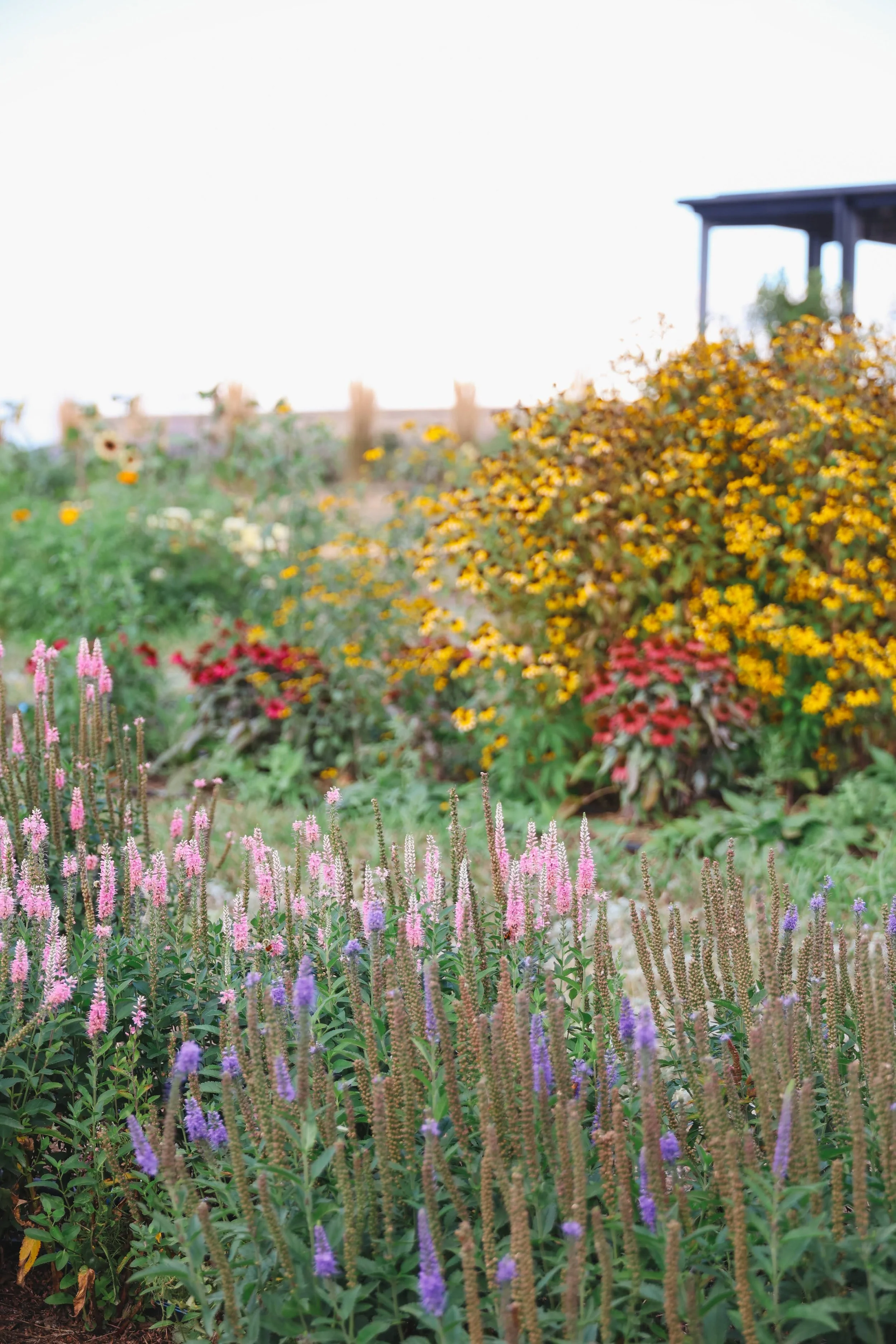
Because of this, gardeners intentionally plant flowers that attract pollinators into the space. Yarrow, echinacea, cosmos, zinnias, and native wildflowers invite life into the garden, increasing biodiversity, strengthening production, and helping the entire ecosystem function more effectively.
What is remarkable is that pollinator plants rarely benefit only themselves. Their presence creates abundance for everything growing nearby.
People can carry this same kind of energy too.
“Gracious words are a honeycomb, sweet to the soul and healing to the bones.” — Proverbs 16:24
Some people bring life into rooms the same way flowering plants bring bees into a garden. They connect people. They encourage creativity. They make others feel seen, inspired, and capable. Their presence creates momentum, warmth, and possibility. Conversations become richer around them. Ideas expand. Confidence grows. Healing feels more accessible.
These people often carry emotional generosity. They celebrate other people’s wins without jealousy. They recommend opportunities instead of gatekeeping them. They introduce people to help flourish success. They encourage growth instead of competing with it.
Healthy people are rarely threatened by the flourishing of others.
Pollinator people help entire ecosystems bloom.
The Trap Crops
One of the more fascinating strategies in companion planting is the use of trap crops.
Certain plants are intentionally placed near valuable crops because pests are naturally more attracted to them. Nasturtiums are one of the most common examples. Their bright leaves and flowers often draw aphids away from vegetables and flowers that gardeners are trying to protect. Rather than allowing destructive insects to spread throughout the entire garden, the trap crop acts almost like a shield, redirecting attention away from the more vulnerable plants nearby.
To someone unfamiliar with gardening, this might seem counterproductive. Why would a gardener intentionally plant something that attracts pests?
But experienced gardeners understand something deeper about ecosystems: sometimes protection does not look like avoidance. Sometimes it looks like strategic placement, sacrifice, and creating buffers that preserve the health of the greater whole.
And honestly, some people carry this same kind of presence in our lives.
Some people have an incredible ability to absorb pressure without immediately passing it on to everyone around them. They help stabilize situations. They protect vulnerable people. They step into difficult spaces so others can continue growing safely. They often become emotional coverings during seasons of stress, grief, transition, or uncertainty.
Parents do this instinctively all the time.
So do good leaders, mentors, teachers, counselors, and pastors.
They absorb criticism before it reaches someone younger or more fragile. They stand between conflict and the people they love. They help carry emotional burdens that might otherwise spread through an entire family, workplace, friendship, or community. Not because they enjoy hardship, but because they understand the value of protecting growth.
There is something deeply sacred about people who quietly create safety for others.
And perhaps what makes trap crops such a powerful metaphor is this: they remind us that not every role in a thriving ecosystem is glamorous. Some forms of love look less like being admired and more like being willing to stand in difficult places so others can continue flourishing.
This does not make those people less important in the garden. If anything, it often makes them foundational to the health of everything around them.
“Carry each other’s burdens, and in this way you will fulfill the law of Christ.” — Galatians 6:2
Not every person is meant to carry every burden. But healthy ecosystems are strengthened by people who are willing to help protect and preserve growth when seasons become difficult.
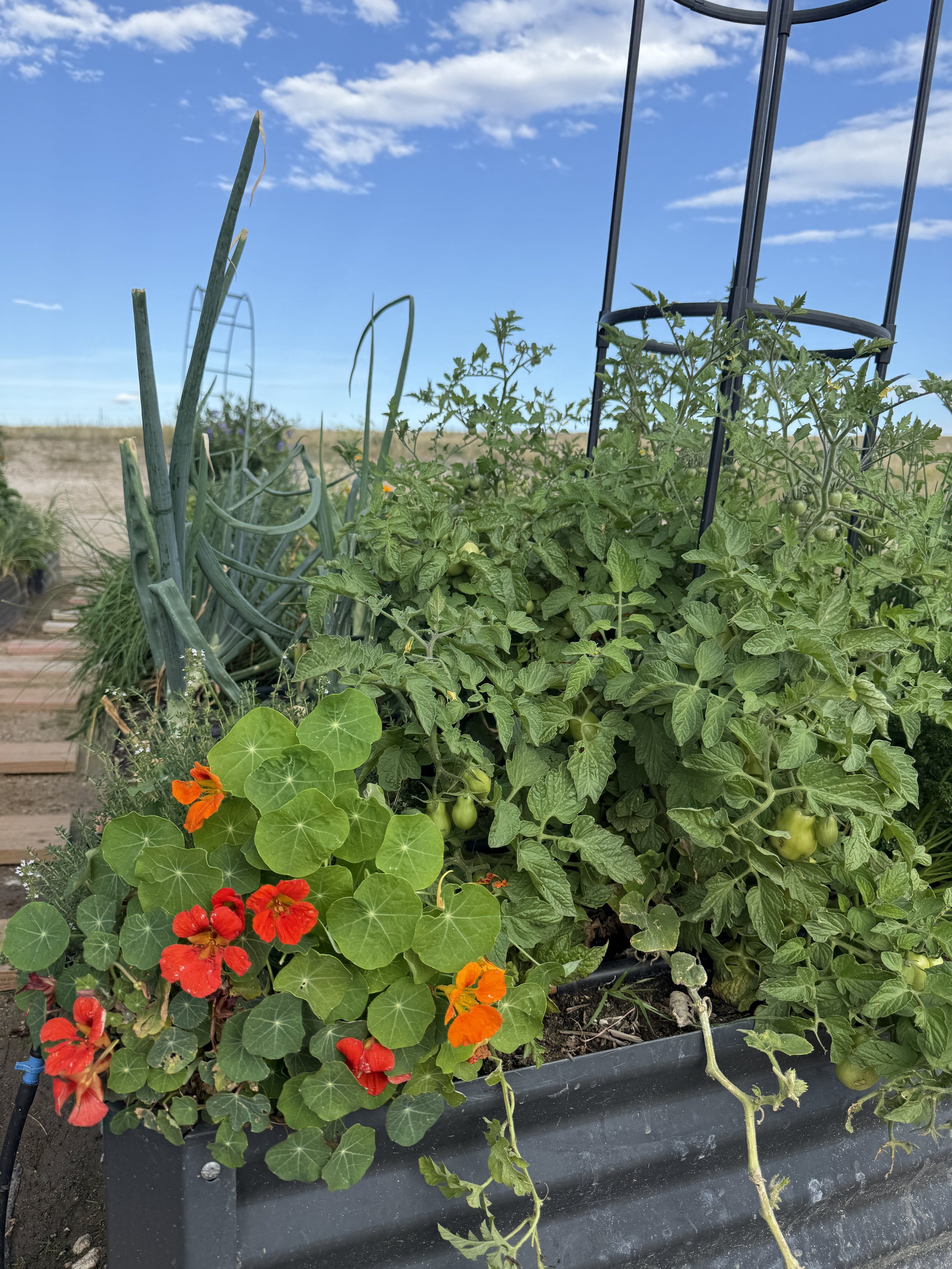
Just like nasturtiums spilling over the edges of a garden bed, some people help preserve the beauty and health of entire ecosystems simply through where they choose to stand.
Shade: Harmful or Healing?
One of the most delicate balancing acts in companion planting is the management of shade.
In the garden, shade is not automatically good or bad. Its value depends entirely on the needs of the plant receiving it.
Some plants benefit enormously from protection. Lettuce, spinach, cilantro, and other tender crops often struggle beneath the intensity of full summer sun. Without relief, they bolt too quickly, become bitter, or simply burn out before reaching their full potential. Taller plants like corn or tomatoes can provide filtered shade during the hottest part of the day, extending the life and health of more sensitive companions growing beneath them.
In this context, shade becomes shelter.
Protection. Relief. Covering.
But the opposite can also happen.
When sun-loving plants are placed too closely together, or when one plant grows too aggressively above another, the taller plant can unintentionally block out the light its companion desperately needs. These types of plants that remain in prolonged shade often become weak, leggy, stunted, and unable to produce fruit at their full capacity. They spend their energy stretching toward light that never quite reaches them.
The same action that protects one plant may slowly suppress another.
And relationships can function much the same way.
Some people enter our lives during seasons where we genuinely need shelter. We need someone stronger, steadier, wiser, or more emotionally grounded to help carry us through a difficult season. Healthy relationships often provide temporary shade while we recover from grief, burnout, heartbreak, fear, trauma, or transition. Good friendships create emotional rest. Healthy marriages offer stability. Wise mentors protect us from exposure we are not yet ready for.
There are seasons where being covered is not a weakness. It is healing.
This is the importance of co-regulation, where emotionally safe relationships help calm overwhelmed nervous systems and create stability during distress. Human beings are not designed to heal entirely alone. We often recover best when healthy people help create environments where we feel protected enough to rest and grow again.
But not all shade is healing.
Sometimes relationships slowly begin to block our access to light.
Not always through cruelty or obvious toxicity, but through subtle imbalance. One personality dominates while the other disappears. One person’s needs consistently consume the emotional space in the relationship. One person becomes so dependent on being needed, admired, or centered that the other quietly stops growing altogether.
And sometimes the hardest part is that the relationship may still look loving from the outside.
But inwardly, one person has stopped reaching toward their own identity, calling, confidence, creativity, or emotional independence because they have adapted to surviving in partial light.
This can happen in friendships, families, churches, and even marriages.
The question is not simply whether someone casts shade in your life.
The question is whether that shade refreshes you or diminishes you.
Toxic Surroundings
And honestly, this makes me think of another example in the garden.
Sunflowers.
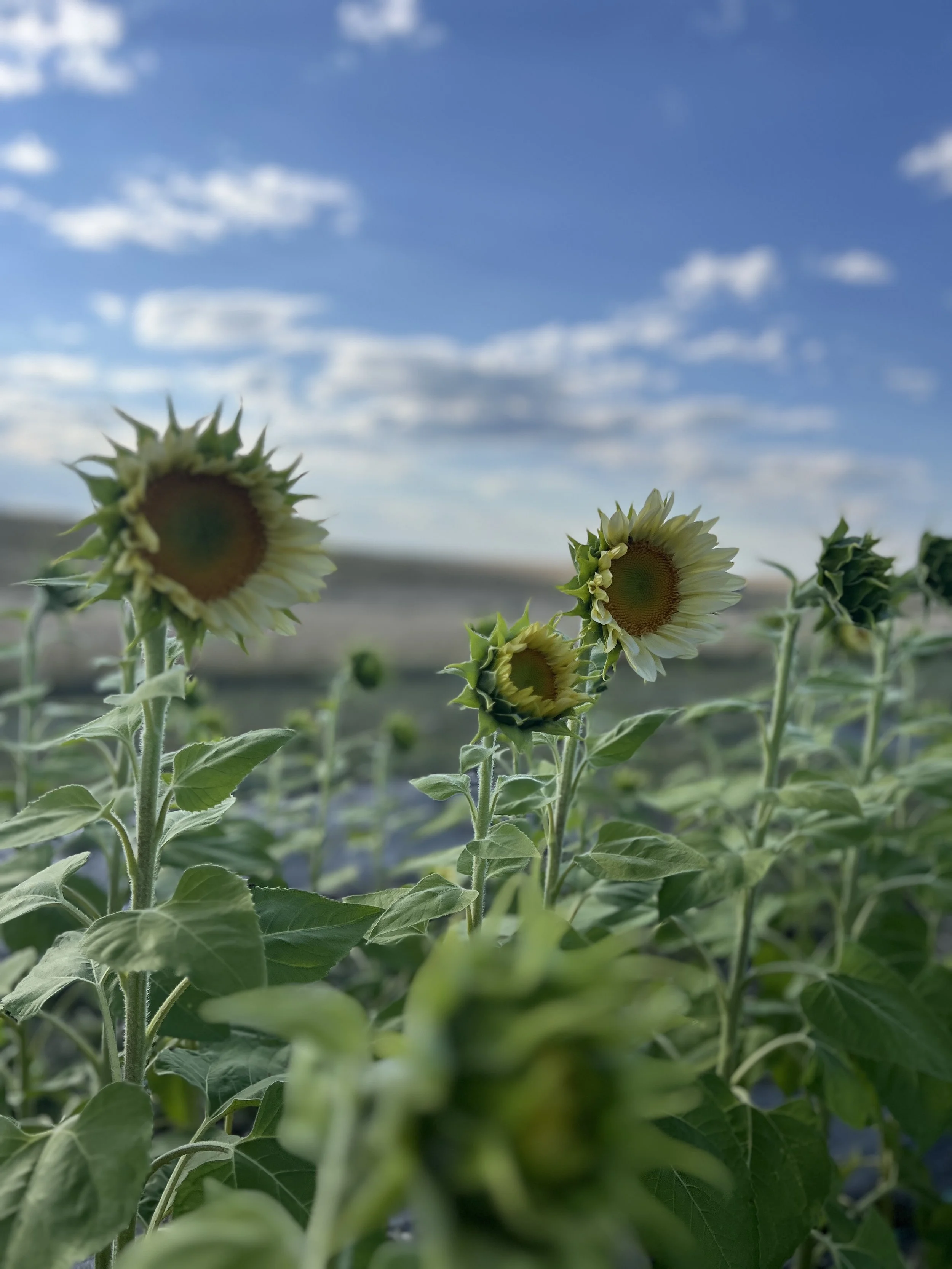
There is almost nothing more cheerful or captivating than a row of towering sunflowers in midsummer. They demand attention in the best way. Their massive blooms follow the sun across the sky, pollinators gather around them constantly, and their height alone makes them feel almost architectural within the landscape of a garden.
But sunflowers carry an interesting characteristic that many gardeners do not realize at first.
Sunflowers are considered allelopathic plants, meaning they release biochemical compounds into the soil that can inhibit the growth of certain plants nearby. Their roots, fallen leaves, and stalks can all affect the surrounding environment in ways that make it harder for some companions to thrive close to them. In many gardens, sunflowers are healthiest when given intentional space to stand largely on their own.
That does not make them bad plants.
It simply means their presence is powerful enough to shape the environment around them.
And people can be like that too.
Some personalities naturally take up more space in a room. They are louder, brighter, more charismatic, more opinionated, more emotionally expressive, or more outwardly confident. Sometimes these people are incredible leaders, visionaries, protectors, entertainers, creators, or catalysts for growth. Their energy can inspire entire communities. Their confidence can make others feel braver. Their visibility can create opportunities for those around them.
Strong presence is not inherently unhealthy.
In fact, many beautiful things in this world require people willing to stand tall.
But there are also relationships where one person’s presence unintentionally becomes so dominant that others slowly stop growing nearby.
Sometimes this happens through constant competition.
Sometimes through a need for attention that leaves little room for anyone else’s voice.
Sometimes through subtle self-centeredness that keeps the ecosystem revolving around one person’s emotions, achievements, crises, or identity.
And often, the person taking up the space does not even realize it is happening.
The quieter friend begins shrinking.
The creative spouse stops creating.
The insecure person becomes even more uncertain of themselves.
Over time, they begin stretching toward scraps of sunlight.
And to be fair, many of us have been both people at different points in life.
“Do nothing out of selfish ambition or vain conceit. Rather, in humility value others above yourselves…” -Philippians 2:3 (NIV)
That is what makes self-awareness so important.
Healthy relationships require enough humility to occasionally ask:
Am I allowing the people around me enough room to grow too?
Gardens thrive not because every plant becomes smaller, but because each plant is given the space it needs to flourish without suppressing the growth of everything beside it.
Competition and Comparison
Even in the healthiest gardens, not every planting combination works.
Sometimes the issue is not toxicity. Sometimes two plants simply compete for the same resources in ways that make thriving difficult for both of them. Much like the light theory.
Gardeners see this often when plants are spaced too closely together. Or not thinned out as seedlings. Roots begin competing for water and nutrients beneath the soil while leaves and stems battle for sunlight and airflow above it. Plants that might have thrived independently become stunted simply because there is not enough room for both to fully develop in the same space.
Even healthy plants can struggle when overcrowded.
Tomatoes planted too densely become vulnerable to disease because airflow cannot properly circulate between them. Corn planted too closely competes heavily for nitrogen and moisture. Aggressive vines can overtake neighboring crops not because they are “bad” plants, but because their growth habits naturally demand more space than the ecosystem can reasonably sustain.
Sometimes growth requires spacing.
And honestly, this may be one of the most relatable dynamics in human relationships.
Not every difficult relationship is toxic. Not every friendship that fades was unhealthy. Sometimes two people simply need the same things at the same time and neither has the emotional resources to consistently provide them for the other.
Two insecure people may unintentionally compete for reassurance.
Two highly ambitious people may struggle not to compare themselves constantly.
Two emotionally exhausted people may deeply love one another while simultaneously lacking the capacity to support each other well. Think: two best friends who now became moms in the trenches.
Also, Sometimes people compete for attention.
Sometimes for validation.
Sometimes for control.
Sometimes for emotional energy neither person fully realizes they are seeking.
And often, this competition happens quietly beneath the surface, much like roots beneath the soil.
Human beings naturally measure themselves against the people around them, especially those they spend the most time beside. Without self-awareness, relationships can slowly shift from mutual support into subtle competition.
“A heart at peace gives life to the body, but envy rots the bones.” -Proverbs 14:30 (NIV)
Comparison is one of the quickest ways to poison gratitude.
Social media has only intensified this reality. We now live in environments where people constantly compare marriages, motherhood, businesses, homes, beauty, success, influence, spirituality, and productivity. The result is often emotional overcrowding, where people begin feeling as though they are fighting for worth, visibility, or significance in spaces that were never meant to function like competitions in the first place.
And yet gardens offer a gentler perspective.
Good gardeners do not shame plants for needing space. They simply recognize that spacing is part of healthy growth.
Sometimes certain friendships need boundaries in order to remain healthy.
Sometimes people need seasons apart to rediscover their own identity.
Distance is not always rejection.
Space is not always abandonment.
Sometimes space is what finally allows both people to receive enough soil space to grow properly again.
And perhaps one of the healthiest relational skills we can develop is learning to recognize when closeness is nourishing growth and when it is unintentionally creating competition neither person was meant to carry.
Because flourishing rarely happens in environments where people constantly feel the need to fight for sustenance.
People Are Not Plants
Of course, people are far more complex than plants.
Human beings cannot be reduced to simple categories of “good” companions or “bad” companions. We are all capable of both nourishing and draining others depending on the season we are walking through, the wounds we carry, the healing we have or have not done, and the environments we are rooted within.
That is what makes relationships so sacred and so complicated at the same time.
Unlike plants, people can change. Relationships can heal. Boundaries can create healthier ecosystems. Seasons of competition can become seasons of mutual encouragement. People who once shaded others too heavily can learn to make room for growth. Those who have spent years shrinking themselves can slowly begin reaching toward light again.
Gardens are constantly evolving. So are we.
So companion planting just reminds us of something deeply important: proximity matters.
The environments we remain planted within shape us over time. The voices we listen to, the people we allow close access to our hearts, the relationships we continually nurture, and even the roles we play within other people’s lives all leave impressions on the soil we are trying to grow within.
Some people help us become more grounded, peaceful, courageous, creative, and emotionally healthy. Others leave us chronically anxious, depleted, insecure, or disconnected from ourselves. And sometimes, if we are honest, we have been both kinds of people too.
Perhaps that is why Scripture so often speaks about wisdom, discernment, and the quiet influence of those surrounding us.
In Ecclesiastes 4:9-10, we are reminded:
“Two are better than one, because they have a good return for their labor: If either of them falls down, one can help the other up.”
And in Proverbs 27:17:
“As iron sharpens iron, so one person sharpens another.”
Healthy relationships do not simply keep us comfortable. They strengthen us. Refine us. Encourage growth, honesty, resilience, and wisdom.
Maybe that is one of the clearest signs of a healthy polyculture ecosystem, both in gardens and in life: growth becomes more possible because of what exists beside it.
So perhaps the question is not simply:
Who is planted around me?
But also:What kind of environment am I helping create for others?
Am I replenishing the soil around me or exhausting it?
Am I making room for people to grow, or competing for all the sunlight myself?
Am I drawing life into the spaces I enter?
Am I creating safety, nourishment, encouragement, and peace?
Because whether we realize it or not, we are all becoming part of someone else’s ecosystem too.
And just like a well tended garden, the healthiest lives are rarely built in isolation. They are cultivated carefully, intentionally, and in the quiet company of relationships that help everyone involved grow and flourish.
Choose Wisely,
Jessica