Eve Was A Gardener Too
Most women have grown up hearing the simple version of Eve’s story.
She ate the fruit.
She caused the fall.
She ruined everything.
For generations, Eve has quietly carried the weight of being the woman who got it wrong. But what if that is not the full story? What if Eve’s story was never meant to end at the moment of failure in the garden? What if her story was always about what came after?

The first woman in scripture was, not only the woman who fell, she was also the woman who continued even after her lowest moment. She became the first mother. The first to step outside of Eden and still choose to build, nurture, and cultivate a future for humanity. When you begin to look at her story through that lens, something remarkable begins to surface.
Eve was not just the woman who made a mistake.
She was also a woman who was called to tend a garden.
Recently, I read a book that invited me to reconsider Eve’s story in a way that felt both freeing and deeply personal.
The book, Women Evolve, challenges the narrative many women have carried for generations. Instead of seeing Eve as the woman who destroyed everything, the book asks a different question.
What if Eve’s story is actually about transformation?
Written by pastor, speaker, and author Sarah Jakes Roberts, the book invites women to see themselves in Eve not as a symbol of shame, but as a reflection of growth, resilience, and spiritual evolution.
In Women Evolve, she reframes the story of Eve through the lens of possibility rather than condemnation. The book explores the idea that women are not defined by their lowest moments, but by their willingness to grow beyond them.
Eve’s story did not stop in the garden when she took the fruit.
Her story continued.
She built a life outside of Eden.
She lived in the tension between consequence and calling.
When I finished reading this book, I realized something that felt deeply connected to the work I do every day here on the farm.
Eve’s story began in a garden, and in many ways, so did mine. Through mistakes, trauma, and shame, my story and hers was redeemed through the work of a garden.
Remember, long before the garden became a place of sweat and thorns, it was a place of purpose. God did not create humanity and place them in a palace or a temple.
He started them in soil.
Which means that every time we kneel down to plant a seed, pull a weed, or harvest something that once lived quietly beneath the ground, we are participating in something sacred. So perhaps that is why working in the garden feels so deeply restorative to so many women.
Because while we are tending the soil…
God may also be tending our souls.
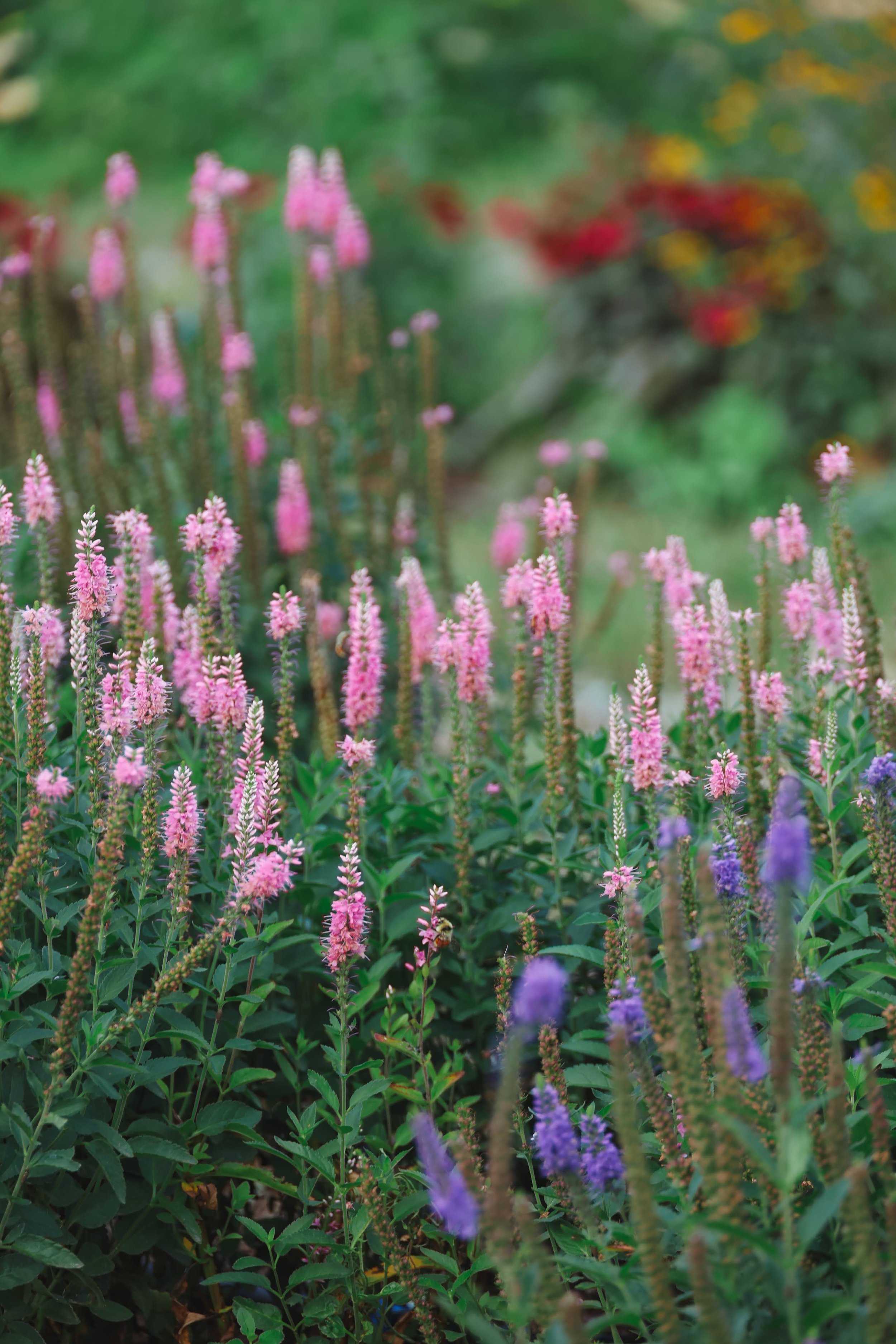
The story of Eve begins not with failure, but with creation and companionship. After forming Adam from the dust of the ground and placing him in the Garden of Eden, God recognized that the man was not meant to steward creation alone. Scripture tells us in Genesis 2:18, “The Lord God said, ‘It is not good for the man to be alone. I will make a helper suitable for him.’” Eve was then formed from Adam’s side, not as an afterthought, but as a partner in the responsibility God had already given humanity. Together, they were placed in the garden to care for it, cultivate it, and enjoy its abundance. The garden was their home, but it was also their work. God entrusted them with the responsibility to tend what He had created, living in harmony with the land and with Him.
Within that garden, God gave them great freedom but also one clear instruction. They were free to eat from any tree in the garden except one. As it says in Genesis 2:16-17, “You are free to eat from any tree in the garden; but you must not eat from the tree of the knowledge of good and evil.” The boundary was simple, but it required trust. Yet when the serpent tempted Eve, questioning God’s command and promising wisdom instead, she chose to take the fruit and eat it. Adam followed her lead, and in that moment, humanity stepped outside of the trust and obedience that had defined their relationship with God.
The consequence of that decision reshaped the world they lived in. What had once been effortless abundance would now require struggle and perseverance. Speaking to Adam, God said in Genesis 3:17-19, “Cursed is the ground because of you; through painful toil you will eat food from it all the days of your life. It will produce thorns and thistles for you.” The garden did not disappear, but the experience of tending it changed. The soil would resist them. Weeds would grow. Harvest would come through sweat and labor rather than ease.
For anyone who has ever worked in a garden, this part of the story feels familiar. The ground must be broken before it can produce. Seeds must push through resistance before they reach the sun. Weeds seem to appear overnight, and storms can undo weeks of careful work. What was once simple now requires patience, endurance, and faith. Yet even within that consequence, the garden remained the place where life would continue to grow. Adam and Eve would still plant, still harvest, still depend on the soil to feed their family. The work became harder, but the purpose remained the same: to cultivate life from the ground God had given them.
So here’s the thing…
Eve’s story did not end with the fruit in her hand. She continued forward. She lived with the consequences of her decision, yet she did not stop fulfilling the calling God had placed on her life. She still built a family. She still nurtured life. She still participated in the work of cultivating the earth that would feed the generations after her.
Life moved forward. Humanity continued to grow and multiply, just as God had originally instructed.
In many ways, Eve became the first example of perseverance after failure. Her lowest moment did not define the rest of her life. Instead, she continued to live out God’s calling even after she had fallen short. She worked the land. She raised children. She carried the responsibility of nurturing life in a world that was now harder than the one she had first known.
This part of Eve’s story often goes unnoticed, yet it may be one of the most important lessons she leaves behind. God did not remove the calling simply because a mistake had been made. The responsibility to cultivate, nurture, and multiply life remained. And Eve stepped forward into that work despite the shame and difficulty she must have carried.
Perhaps that is part of the redemption hidden within the garden itself. Even after humanity’s first failure, God did not abandon the soil or the calling to cultivate it. Instead, He allowed the work of the earth to become a place where perseverance could grow.
And Eve, the woman so often remembered for her mistake, also became the woman who continued planting, tending, and nurturing life long after that moment had passed. In doing so, she reminds us that our lowest moments do not cancel our purpose. Sometimes they simply mark the place where the hardest and most meaningful work begins.
This also reminds me that healing from trauma, mistakes, and shame can happen in a garden too.
Time is always moving forward, but when you are stuck in past failures, hurts, guilt, and shame, it can feel like time itself has stopped. The mind replays moments that cannot be changed. The heart sits in places it no longer belongs. Yet the garden refuses to stay still. The seasons keep moving whether we are ready or not. Spring demands planting. Summer demands tending. Autumn demands harvest. Winter demands rest.
My fields are always asking something different of me. Some days they require back-breaking work: turning soil, hauling compost, pulling weeds that seem to grow faster than anything I planted on purpose. Other days the work is slower and quieter, walking rows, observing what is thriving and what is struggling, deciding what needs to be pruned and what needs to be left alone.
The work is constant. It is evolving. It keeps me moving forward.
But the garden is not an excuse to bury my past beneath endless labor. I am not running from my story by putting my head down and working from sunrise to sunset, season to season. Instead, the garden becomes the place where I work through the story. It is where I bring the guilt, the shame, the hurt, and the deep feelings of unfairness that life sometimes leaves behind.
Feelings we all carry in some form.
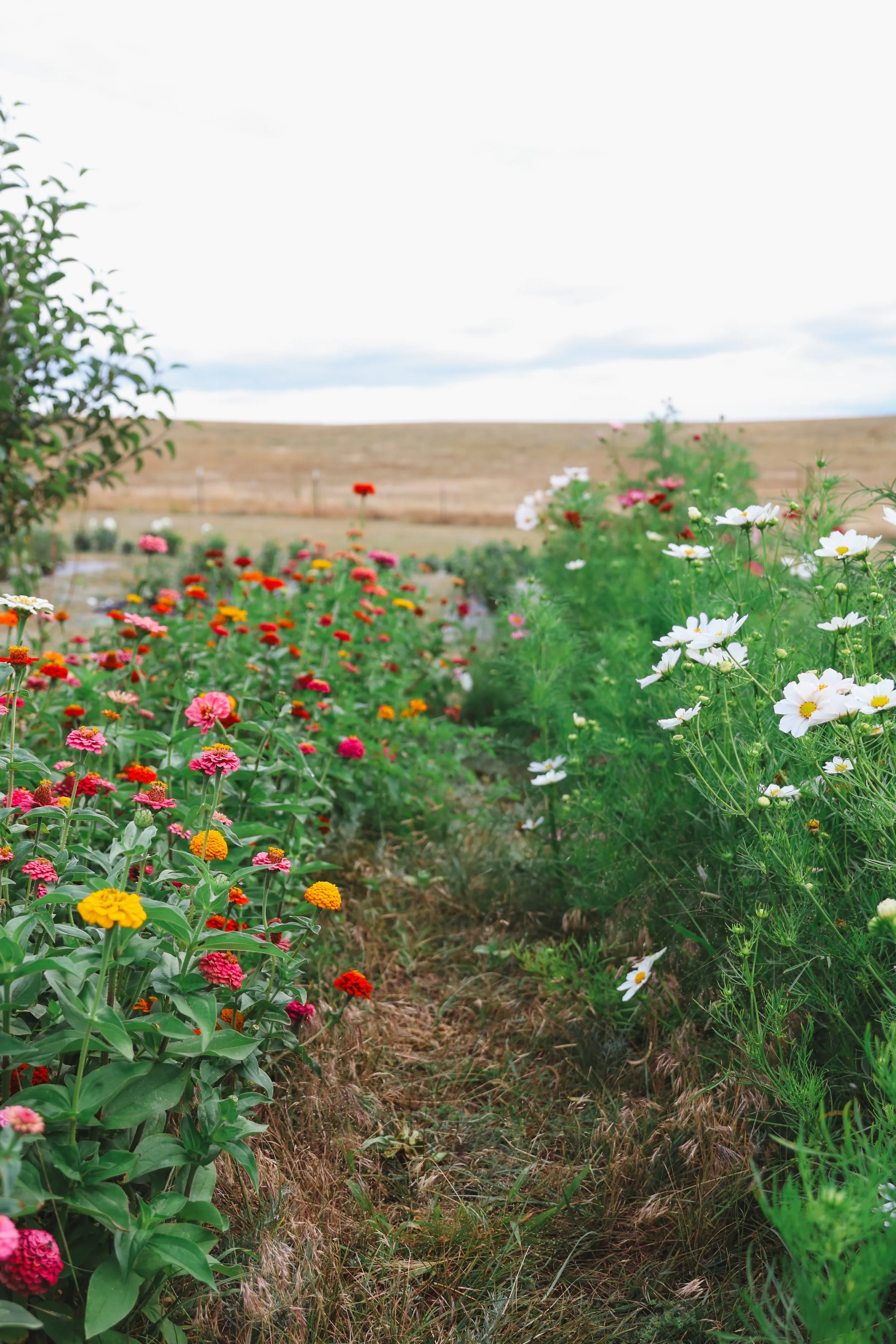
When my hands are in the soil, I am reminded that broken ground is not the end of a story. It is often the beginning of one. Seeds are placed in darkness before they ever reach the light. Hope is buried long before it blooms.
The garden teaches me that there is always another season coming. A bad harvest does not end the calling to plant again. A storm does not erase the possibility of the next sunrise. Even when the ground looks empty, something is often happening beneath the surface that cannot yet be seen.
Working the land reminds me that healing works the same way. It takes time. It takes patience. And sometimes it takes the quiet discipline of continuing to show up.
Scripture reminds us of this truth in Galatians 6:9, “Let us not become weary in doing good, for at the proper time we will reap a harvest if we do not give up.” You plant seeds in faith long before you see the harvest. You water soil that looks unchanged for weeks. You trust that something is growing even when the evidence is still hidden underground.
And slowly, something begins to change.
The work strengthens your heart. Your confidence grows as you watch life emerge from the very soil you once thought was empty. Your perspective shifts. You begin to see that the ground you once thought was dead may actually be the exact place where new life was meant to grow.
Work is not punishment. Work is participation in restoration.
Every weed pulled is a reminder that unwanted things can be removed.
Every seed planted is an act of hope.
Every harvest is proof that patience eventually bears fruit.
And the same invitation that exists in my fields exists for anyone willing to step into the garden.
You do not need perfect soil.
You do not need a perfect past.
You only need the courage to keep tending what God has placed in front of you.
Because gardens have a way of reminding us that life continues after mistakes. Seasons change after hardship. And sometimes the very ground we thought was ruined becomes the place where our deepest healing begins.
If Eve could continue cultivating life after her lowest moment, then perhaps we can too.
Perhaps the garden is not just where we grow food or flowers.
Perhaps it is also where God quietly teaches us how to grow again.
If there is one thing the garden continues to teach me, it is that healing rarely happens all at once. It happens slowly. Quietly. Often with our hands in the soil and our minds finally given the space to breathe.
Perhaps that is why I feel such a strong invitation to share this with you.
Not as a gardener trying to convince you to plant tomatoes or grow flowers, but as a woman who has discovered that something sacred happens when we step outside and begin to cultivate life again.
You do not need acres of land.
You do not need perfect soil.
You do not even need to know what you are doing yet.
You only need a willingness to begin.
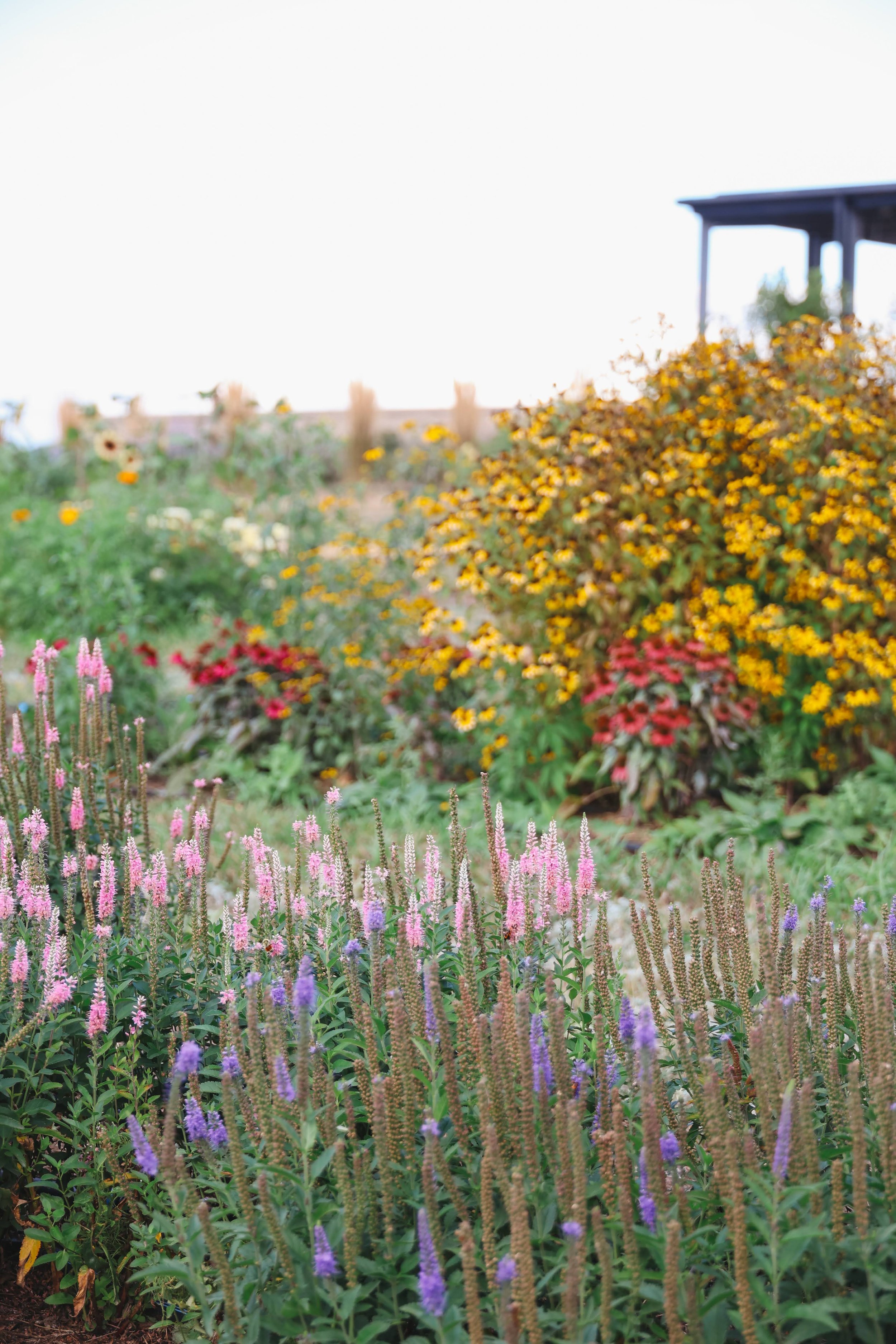
Step outside. Plant something small. Pull a few weeds. Watch the way the sunlight moves across the soil and how the earth quietly responds to care and attention. Let the work slow your thoughts. Let the rhythm of tending something living begin to soften the places in your heart that may have felt hardened by time.
Because while the garden requires effort, it also offers something deeply restorative in return. It reminds us that beauty can grow from broken ground. It reminds us that what feels buried is not always lost. And it reminds us that God is still in the business of bringing life out of places that once felt empty.
Whatever mistakes you have made.
Whatever guilt or shame you may still carry.
Whatever hurts or unfairness life has handed you.
None of it disqualifies you from continuing to cultivate the life God has placed in front of you. Just like Eve, your story does not end with your lowest moment. It continues with what you choose to grow afterward.
So step into the garden.
Not because everything in your life is perfect, but because the work of tending something living has a way of reminding us that the future is still unfolding. That hope is still planted in the soil of tomorrow. That purpose has not disappeared simply because life became difficult.
Plant something.
Tend something.
Watch something grow.
And as you do, allow the garden to remind you that God is still cultivating something beautiful in your life too.
Thanks for spending some time with me, I hope to see you in the garden.
Your friend,
Jessica w/ Shari’s
Photography of our farm is thanks to Emily Young with @cocnephotgraphy